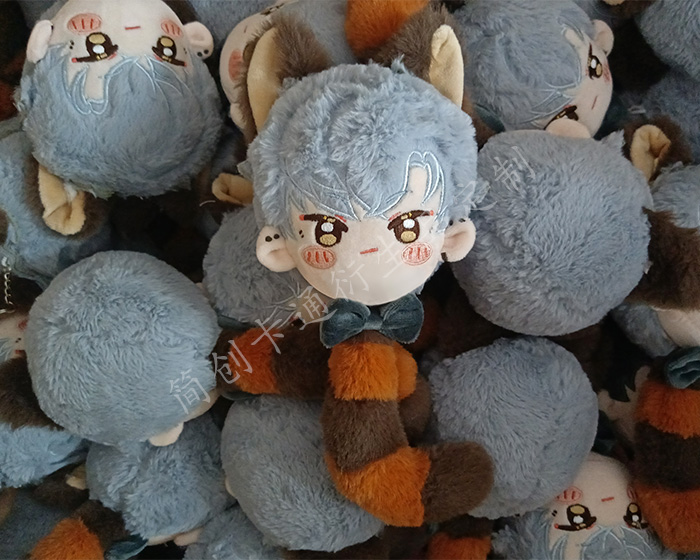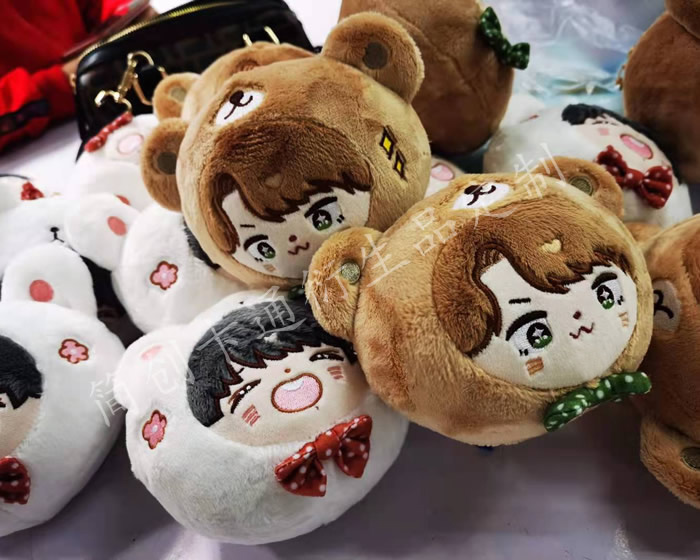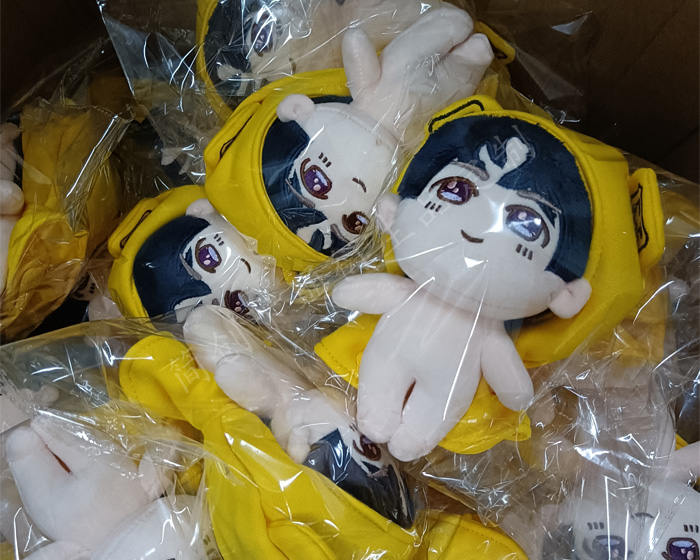


Animal plush toys often depend on distinctive three-dimensional features to communicate their character. A bear may have a rounded muzzle, a rabbit may have long ears, and a fantasy animal may include a curved tail or unusual facial structure.
For plush animal manufacturers, converting these elements from illustrations into fabric patterns requires attention to shape, scale, sewing access, and stuffing distribution.
Why Are Three-Dimensional Animal Features Difficult to Reproduce?
Two-dimensional artwork can show sharp curves and exaggerated shapes without considering how the object will be constructed.
A stuffed animal, however, must be assembled from fabric pieces that can be cut, sewn, turned, and filled.
Very thin shapes or complicated curves may need to be simplified or divided into additional pattern pieces.
1. Creating a Three-Dimensional Muzzle
An animal muzzle may be created with separately shaped fabric panels attached to the head.
The intended projection should be considered from both the front and side views.
A muzzle that is too flat may reduce character recognition, while an overly prominent muzzle may change the balance of the face.
The manufacturer should also coordinate nose and mouth embroidery with the assembled muzzle geometry.
2. Developing Ear Structures
Ears vary significantly between animal designs.
Some should remain upright, while others are intended to fold or hang naturally.
The final appearance depends on fabric weight, panel shape, thickness, and attachment position.
For long ears, the design must consider how gravity affects the finished structure.
3. Constructing Curved Tails
A tail may require multiple fabric panels to create a curved three-dimensional shape.
Narrow sections can be difficult to turn and fill evenly.
The manufacturer should evaluate whether the intended shape is practical at the selected product size.
Attachment strength is also important when the tail is expected to experience repeated handling.
4. Designing Fantasy Animal Features
Original characters may include horns, wings, layered ears, or other unusual details.
These features can often be developed using fabric construction, suitable filling, or other engineered textile methods.
Hard internal supports are not automatically necessary and may be unsuitable for certain age groups or product applications.
Construction Comparison
| Feature | Primary Challenge | Design Consideration |
|---|---|---|
| Muzzle | Projection and symmetry | Panel curvature and attachment |
| Long ears | Shape and gravity | Fabric weight and support |
| Curved tail | Turning and stuffing | Pattern divisions and width |
| Wings | Outline and attachment | Layering and seam strength |
| Horns | Maintaining a tapered shape | Tip size and construction method |
What Should Buyers Provide for Pattern Development?
Front, side, and back views help clarify how special features should appear in the finished product.
For complex shapes, include close-up drawings and indicate whether the feature should be soft, flexible, upright, or hanging.
Prototype review should include several viewing angles, not just the front-facing character photograph.
custom plush Animal Production with JianChuang
JianChuang supports custom animal characters, mascots, stuffed toys, and related plush merchandise.
Brands researching plush animal manufacturers for original designs can discuss character artwork, fabric selection, three-dimensional pattern development, and sample production.
Create Your Custom Plush Animal Character
Share your animal artwork, special features, preferred size, and intended application for a manufacturing review.
Explore Custom Plush Animal ManufacturingFrequently Asked Questions
Can a plush animal have a curved tail?
Yes, subject to suitable pattern design, size, material properties, and construction requirements.
Do upright ears always need internal supports?
No. Some shapes can be achieved using fabric layers and appropriate construction, while others may require additional structural solutions.
Can complex animal features increase production cost?
Yes. Additional pattern pieces, sewing operations, and finishing requirements may increase development and manufacturing complexity.