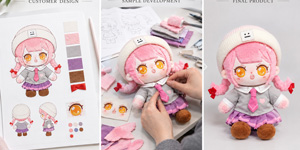








Developing a custom plush product involves several stages, from preparing the initial design to producing and delivering the finished items. For brands, retailers, designers, and IP owners, understanding this process helps set realistic expectations and avoid unnecessary delays.
A structured manufacturing workflow also helps ensure that the final product reflects the approved design and meets the project's commercial requirements.
Step 1: Prepare Your Design and Requirements
The process begins with a product concept.
You may have a character illustration, an animal reference, a corporate mascot, or a complete technical specification.
To help the manufacturer assess the project, prepare as much information as possible, including:
-
Front, side, and back views of the design
-
Target product dimensions
-
Fabric preferences and color references
-
Embroidery, printing, clothing, and accessory details
-
Estimated order quantity
-
Packaging and labeling requirements
Clear specifications help the manufacturer identify potential production challenges and prepare a more accurate quotation.
Step 2: Confirm Materials and Manufacturing Details
After reviewing the design, the manufacturer can discuss suitable materials and construction methods.
Fabric texture, pile length, filling, embroidery, and decorative components all influence the appearance and cost of the finished product.
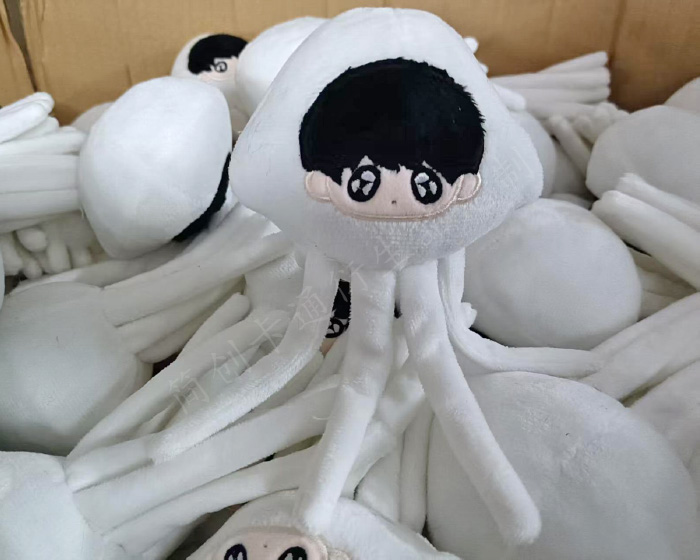
For example, a character with long hair or a complex silhouette may require different material and pattern considerations from a simple animal plush.
Before sampling begins, confirm the main product requirements and commercial terms.
Step 3: Develop the First Prototype
The prototype translates the design into a physical product.
During this stage, the development team works on fabric patterns, proportions, construction, stuffing, and decorative details.
A first sample may reveal differences between the original illustration and the three-dimensional product. These differences provide useful information for further refinement.
Step 4: Review the Sample and Request Revisions
Evaluate the sample against the original design and product specifications.
Important review points include:
-
Overall shape and proportions
-
Facial expression and embroidery placement
-
Fabric color and texture
-
Stitching and seam appearance
-
Filling distribution and product firmness
-
Accessories, clothing, and other decorative details
Provide specific feedback and maintain a written record of revisions. Depending on the complexity of the changes, additional sampling time or charges may apply.
Step 5: Approve the Final Sample
Before mass production, approve the final sample and confirm the written specifications.
This approval establishes the reference for product dimensions, materials, construction, appearance, and packaging.
If the project includes several different designs, clarify which samples and specifications apply to each product.
Step 6: Begin Mass Production
Once the sample and order terms are confirmed, the manufacturer can arrange materials, production planning, and manufacturing.
The production schedule depends on factors such as order quantity, design complexity, material availability, and factory workload.
Maintain communication with the supplier to monitor progress and address potential issues early.
Step 7: Conduct Quality Checks and Prepare Delivery
Quality inspections should follow the agreed specifications and the requirements of the intended market.
Checks may cover stitching, dimensions, filling, embroidery, accessories, appearance, labeling, and packaging.
For products subject to specific safety regulations, confirm the necessary testing and documentation before shipment.
After inspection and packing, coordinate shipping arrangements and ensure that the delivery documents are prepared as agreed.
Work with JianChuang on custom plush Manufacturing
JianChuang provides Custom Plush product development and manufacturing services for brands, businesses, designers, and IP owners.
From initial design review to prototype development and bulk production, the process is organized around the product's specifications and agreed requirements.
Learn more about our custom plush toy manufacturing services or explore our company and manufacturing capabilities.
Custom Plush Project Showcase
Custom Stuffed Animals Factory
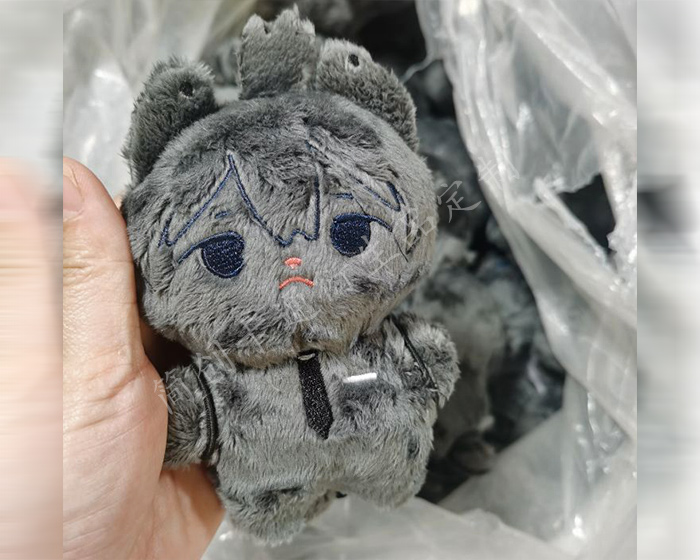
Custom Weighted Stuffed Animal Manufacturers
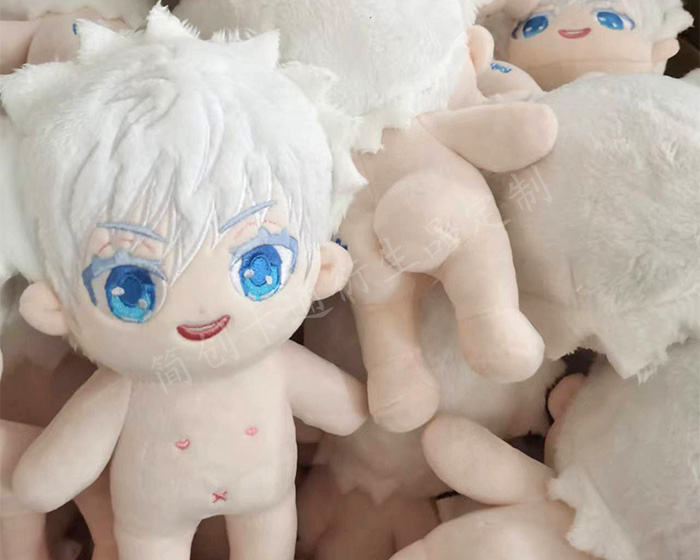
Jujutsu Kaisen Custom Doll Factory
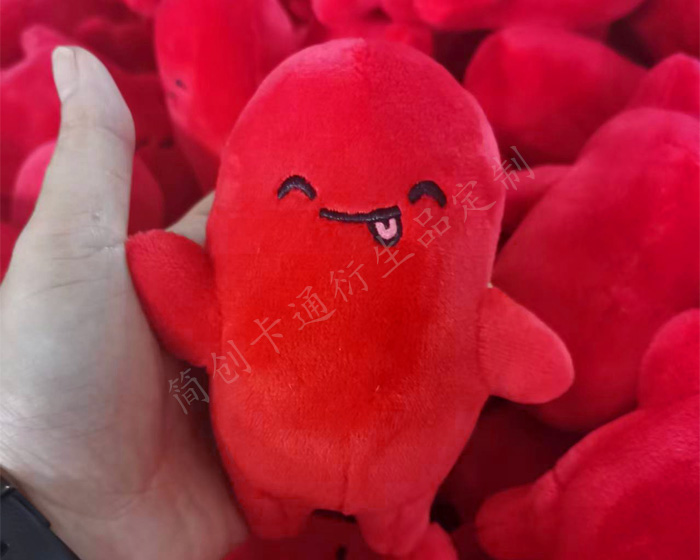
Custom Anime Plush Manufacturer

Custom Soft Toys Manufacturer
-
Custom Personalized Stuffed Animals Factory
-
Custom Stuffed Dolls Manufacturers
-
Custom Plush Toy Manufacturers
-
Custom Weighted Plush Toys Manufacturer
-
Custom Plush Toy Manufacturers
-
20cm Cotton Doll Anime In China
-
Custom Plushies Manufacturers
-
Custom Hand Puppet Manufacturer
-
Custom Plush Dolls Pendant Manufacturer
-
Custom Plush Animal Toys Manufacturers
-
Custom Plush Toy Factory
-
15cm20cm40cm Custom Cotton Dolls Manufacturer
-
Custom 15cm Cotton Doll Factory
-
Custom Plush Fleece Earmuffs Manufacturer
-
Custom Bear Stuffed Toy Manufacturer
-
Custom Anime Plush Manufacturer
-
Custom Plush Pendant Factory
-
Custom Cute Stuffed Animals Manufacturer
-
6cm Custom Plush Pendant Manufacturer
-
15cm20cm Jojo Doll Custom Factory
-
Custom Animal Plush Manufacturer
-
Weighted Stuffed Animal Factory
-
Custom Plush Doll Manufacturer
-
Custom Stuffed Dolls Manufacturer
-
Custom Dumpling Plush Factory
-
Custom Pet Stuffed Animal Manufacturer
-
Custom Stuffed Animal Manufacturer
-
Custom Maltese Dog Plush Toys Manufacturers
-
Custom Dolls Manufacturer
-
Custom Stuffed Animals Manufacturers
-
Custom Plush Toy Manufacturer
-
Jojo Rag Doll Making Manufacturers
-
Custom Plushie Makers Manufacturer
-
Rag Doll Custom Plush Makers
-
Custom Personalised Stuffed Animal Manufacturers
-
Custom Plush Maker Manufacturer
-
Best Toy Manufacturer
-
Custom Plush Stuffed Doll Manufacturer
-
Custom Rag Doll Manufacturers
-
Custom 40cm80cm Large Plush Animals Factory
-
5cm Plush Toy Pen Cover Custom Factory
-
Custom Cute Plush Doll Factory
-
Custom Plush Stuffed Doll Factory
-
Custom Super Jojo Plush Manufacturers
-
Custom Toys Manufacturers
-
Custom Warmies Stuffed Animals Manufacturer
-
Custom Cotton Doll Factory
-
Custom Stuffed Animal Manufacturers