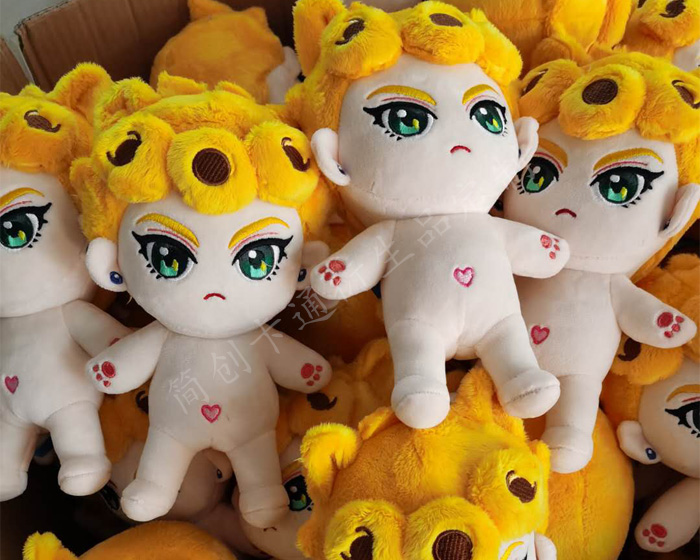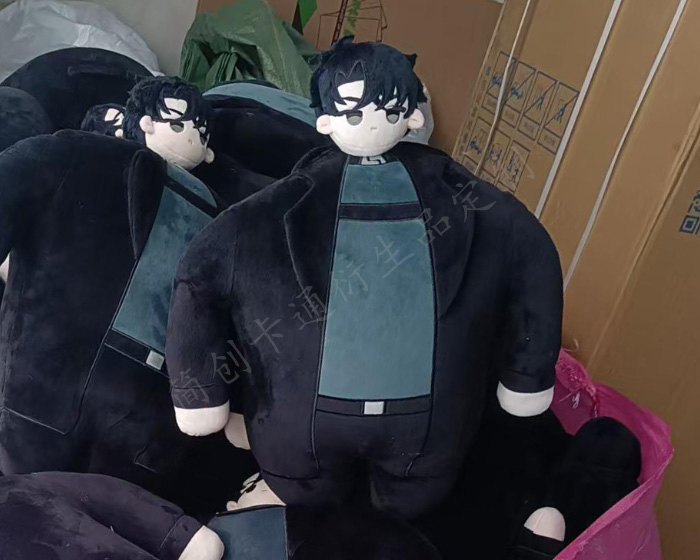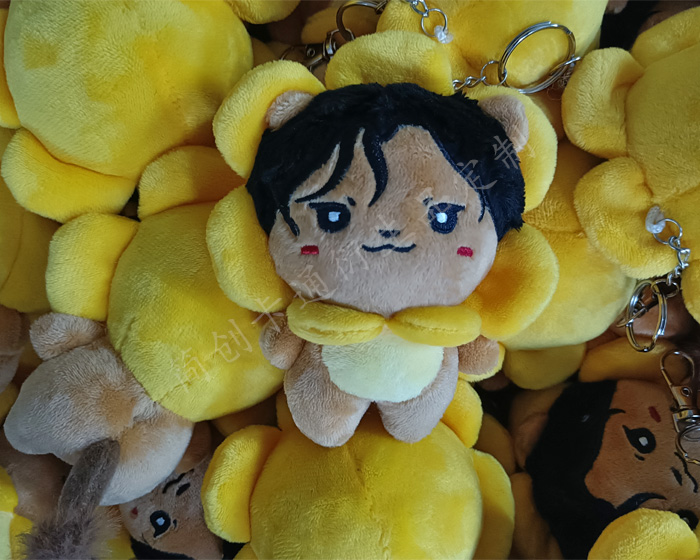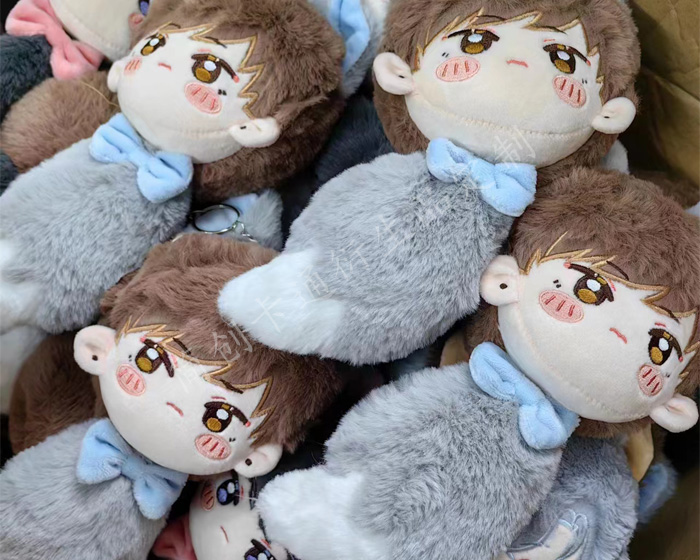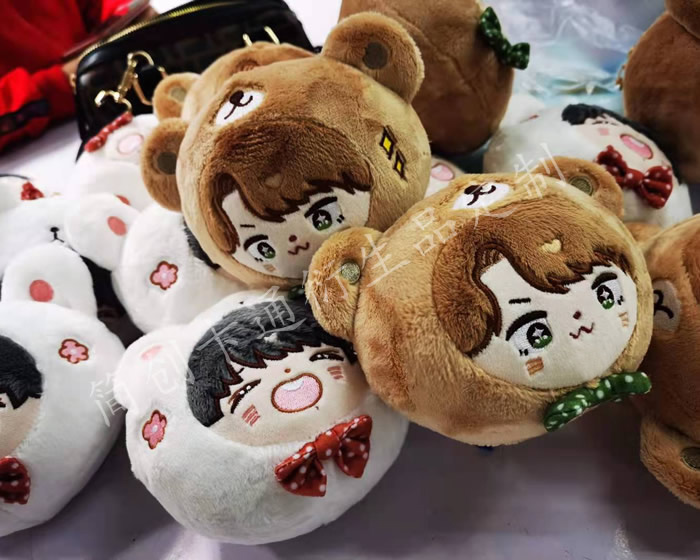


When a brand orders custom stuffed toys, its purchasing team usually focuses on design accuracy, product quality, pricing and delivery. Another important topic is how the finished products can be connected to the materials and production records used to make them.
Batch traceability becomes especially valuable when a brand places repeat orders or distributes products through several retail channels. If a problem is reported after delivery, accurate production records can help identify which units may be affected.
For a stuffed toy supplier, traceability is not simply a matter of adding a batch number to a carton. The number must be connected to meaningful manufacturing information.
1. What Is Batch Traceability in Stuffed Toy Manufacturing?
Batch traceability is the ability to identify relevant production information for a defined group of products.
For example, a retail brand may order the same animal plush in several production runs throughout the year. Although the character design remains unchanged, different fabric lots, production dates or packaging versions may be involved.
If a quality concern affects only one material lot, traceability records can help the supplier determine which finished products were made with that material.
Without reliable records, the affected population may be harder to identify.
2. Start with Clear Product Identification
Each custom product should be associated with an identifiable specification.
The identification system may include a product code, style number, size, color variation and revision level.
For example, a brand selling the same animal character in two sizes should avoid relying on a single vague product description when managing production records.
Product identification helps prevent confusion between similar designs and supports more accurate order tracking.
3. Record the Materials That Matter
A stuffed toy may include several material groups, such as outer fabric, filling, embroidery threads, labels and decorative accessories.
For appropriate components, the manufacturer may need to record the material supplier, specification and lot identification.
| Record Category | Example Information |
|---|---|
| Product identification | Style, size, version and order number |
| Outer fabric | Material specification and relevant lot |
| Filling | Approved material and supply lot |
| Accessories | Relevant component specification and lot |
| Production | Manufacturing date or defined production batch |
| Inspection | Results and applicable acceptance references |
| Shipment | Carton, quantity and dispatch identification |
The required detail should reflect applicable regulations, contractual requirements and product risk. Not every component requires the same tracking approach.
4. Connect Material Lots to Production Batches
Recording a material lot is useful only if the factory can identify where that material was used.
Suppose a stuffed animal is produced using two separate lots of blue plush fabric. If the material lots are used in different production runs, the supplier may be able to record which finished units correspond to each lot.
If materials are mixed without more detailed records, the possible affected population may be larger.
That is why practical traceability depends on real production handling, not merely the format of the paperwork.
5. Control Product Specification Revisions
Repeat orders may involve small design changes, such as a different embroidered expression, revised fabric color or updated packaging.
If the production team uses an outdated file, the finished product may not match the intended version.
Buyers and manufacturers should identify the approved product revision and ensure that production records reference it.
For significant changes, a revised sample or other documented approval may be necessary before production proceeds.
6. Link Inspection Reports to the Right Batch
Inspection records help show which products were evaluated and the results of those checks.
However, an inspection report is more useful when it clearly identifies the product, production batch, inspection date and criteria used.
This helps distinguish one production run from another if an issue is discovered later.
Inspection should address the relevant product requirements and must not be confused with proof of compliance with every applicable safety regulation.
7. Connect Packing and Shipping Records
Once production is complete, products move into packaging and shipping.
The supplier should be able to link finished product batches to the corresponding shipment details at the agreed level of traceability.
For a wholesale order, this may involve carton identification, packed quantities and shipping documentation.
Retailers may have additional warehouse or labeling requirements that should be discussed before goods are packed.
8. What Happens When a Quality Issue Is Reported?
If a customer reports a problem, the first step is to identify the affected product and available batch information.
The manufacturer can then review relevant records to determine whether the issue may be connected to a material lot, design revision, manufacturing process or shipment.
A typical investigation may involve:
-
Confirming the affected product and batch.
-
Reviewing the approved design specification.
-
Checking related material records.
-
Examining manufacturing and inspection information.
-
Identifying other potentially affected units.
-
Recording findings and appropriate corrective actions.
For safety-related concerns, additional actions may be required under applicable laws and contractual obligations.
9. Questions B2B Buyers Should Ask a Supplier
Before placing repeat or high-volume orders, buyers can discuss how the manufacturer manages production identification and retained records.
-
How are different product versions identified?
-
Which material lots are recorded?
-
Can manufacturing records be linked to shipment details?
-
How are quality issues investigated?
-
What records can be provided when needed?
-
How are record retention periods determined?
Brands evaluating JianChuang as a custom stuffed toy supplier can raise these requirements during their project discussions. The exact documentation and inspection scope should be confirmed for each order rather than assumed.
Frequently Asked Questions
Does every stuffed toy need its own serial number?
Not necessarily. The appropriate traceability level depends on the product, applicable requirements and customer specifications. Some projects may use batch-level identification.
Is an order number enough for full traceability?
An order number is useful, but meaningful traceability also requires links to relevant materials, specifications, production and shipment records.
How long should production records be retained?
Retention periods should be established according to applicable legal requirements, contractual terms and the company's record management policies.
Conclusion
Batch traceability helps brands and stuffed Toy Manufacturers understand the history of a finished product.
By connecting material identification, production versions, inspection information and shipment records, manufacturers can support more focused investigations and improve communication with long-term B2B customers.
Planning an OEM Stuffed Toy Order?
Share your design, quantity, destination market and documentation requirements to discuss a suitable manufacturing and supply arrangement.
Explore Custom Stuffed Toy Manufacturing