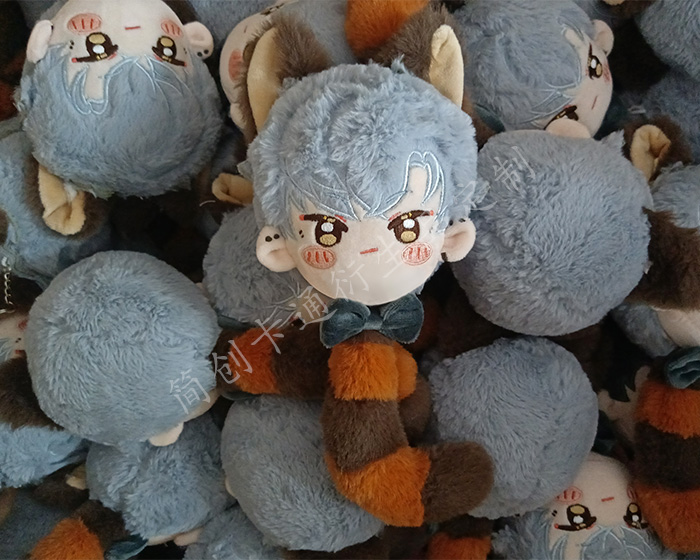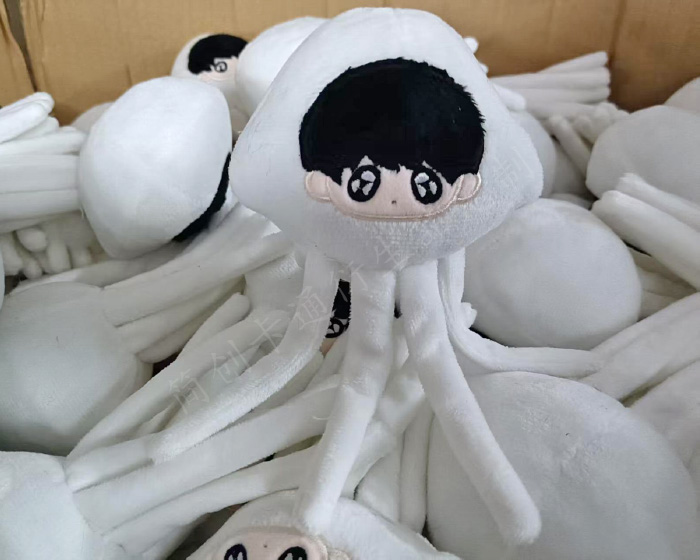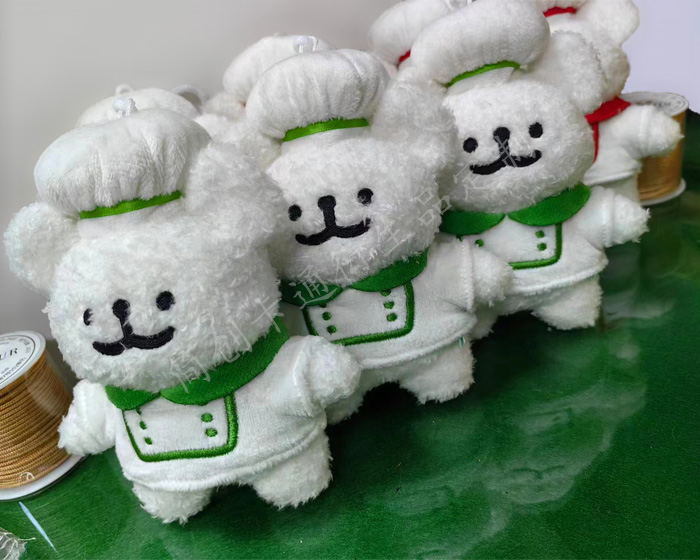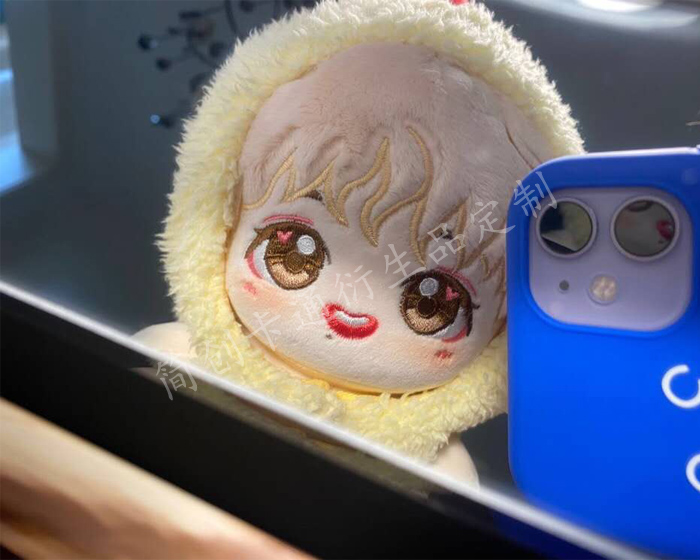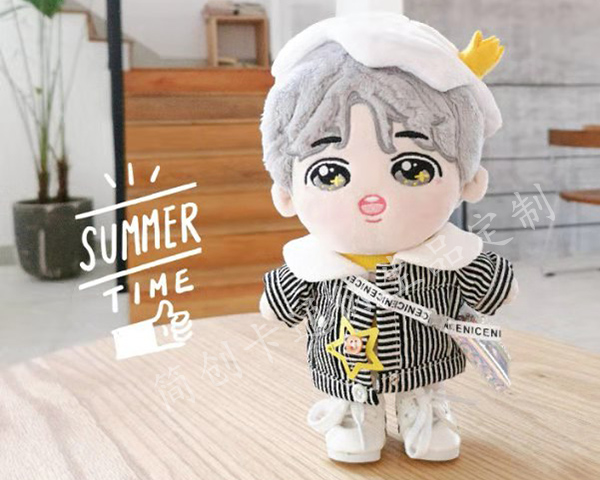


Many brands launch plush merchandise as a collection rather than a single product. A collection may contain several animal characters, multiple sizes, different facial expressions, or seasonal color variations.
For plush toy manufacturers and commercial buyers, producing several styles within one order creates additional requirements for identification, material control, inspection, and packing.
What Is a Multi-SKU Plush Order?
SKU stands for stock keeping unit. It identifies a particular product variation used for inventory and order management.
A plush collection containing three characters in two sizes may require six separate SKU identifiers, depending on the buyer's inventory system.
Clear identification helps prevent confusion when similar products use overlapping materials or packaging.
1. Assign a Unique Code to Every Variation
Each finished product variation should be linked to a controlled identifier.
The identifier should match the buyer's purchase order and relevant production documents.
For example, different sizes of the same character should not be treated as interchangeable unless the buyer's specification explicitly allows it.
2. Separate Artwork and Approved Samples
Different characters may share a body pattern but have different embroidery, fabric colors, or accessories.
Each SKU should therefore have clear artwork references and applicable approved specifications.
Where components are shared, the manufacturing documents should identify the common part and its approved revision.
3. Manage Materials by Product Variation
Some products use similar-looking fabrics that are not identical.
Materials can be distinguished using appropriate identifiers, storage controls, and production documentation.
Special attention may be necessary when two characters use slightly different colors or embroidery threads.
4. Plan Packaging and Carton Identification
The finished packing plan should indicate whether cartons contain one SKU or an approved assortment of several SKUs.
Mixed cartons should have clearly defined contents to support warehouse receiving and order fulfillment.
Packaging design should also account for different product sizes and accessories.
Multi-SKU Production Control Checklist
| Area | Recommended Control |
|---|---|
| Product identification | Unique SKU or style code |
| Artwork | Approved design and revision |
| Materials | Specified fabric and embroidery references |
| Samples | Approved sample for each distinct style |
| Inspection | Style-specific acceptance requirements |
| Packaging | Correct labels and carton contents |
| Order quantity | Confirmed count per SKU |
5. Avoid Assuming One Sample Covers Every Style
Two products may share a similar structure but contain different features that affect manufacturing quality.
For example, one character may have a large embroidered face while another has a complex three-dimensional tail.
Each distinct style should be assessed for its own critical construction and appearance requirements.
6. Verify the Final Packing List
Before shipment, the packing list should match the approved quantities and style identifiers.
Buyers should also confirm any retailer-specific carton labels, assortment requirements, or barcode arrangements.
Plan a custom plush Collection with JianChuang
JianChuang manufactures custom plush dolls, stuffed animals, mascots, and related merchandise for brands and original IP projects.
Businesses comparing plush toy manufacturers for multi-style OEM orders can discuss different designs, sample requirements, quantities, and packaging arrangements.
Manufacture Your Custom Plush Collection
Send your product list, character artwork, dimensions, quantity per style, and packaging preferences for review.
Explore JianChuang OEM Plush ProductionFrequently Asked Questions
Can different plush characters be ordered together?
A multi-style order may be possible, subject to the manufacturer's minimum quantities, production requirements, and commercial terms.
Does every color variation need a separate SKU?
That depends on the buyer's inventory and retail system. Different product variations are commonly identified separately.
Can several styles share the same packaging?
Yes, where the dimensions and requirements permit. Product identification and correct labeling must still be maintained.