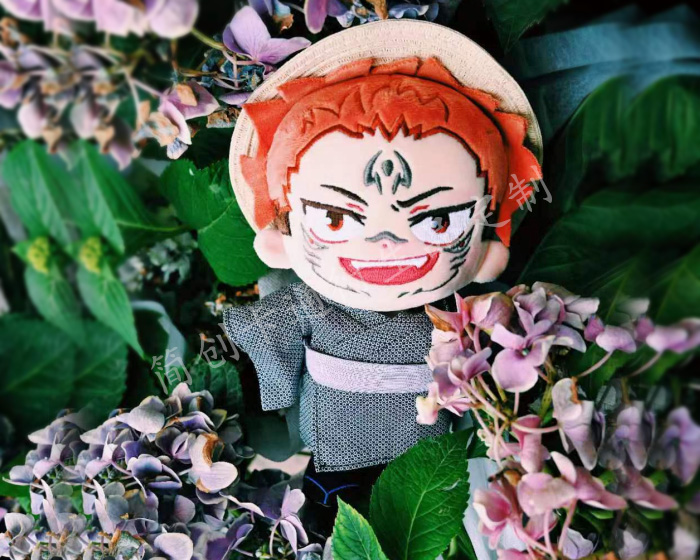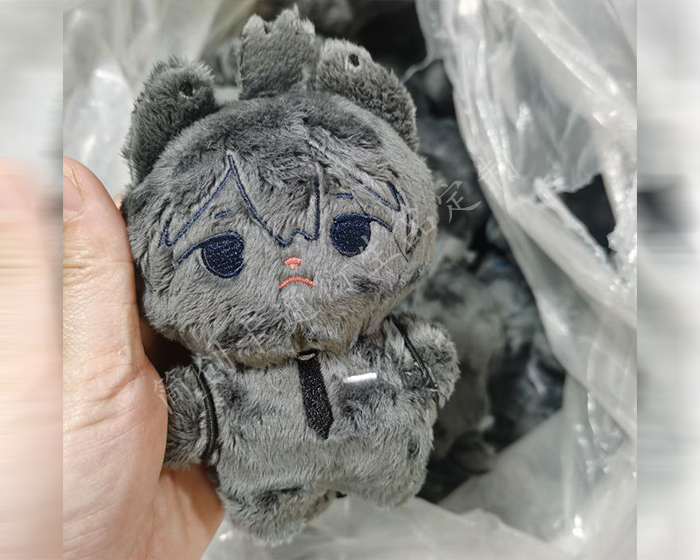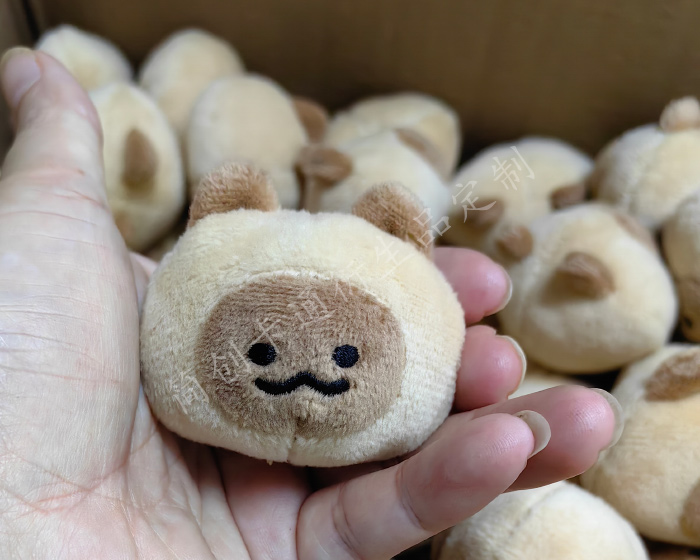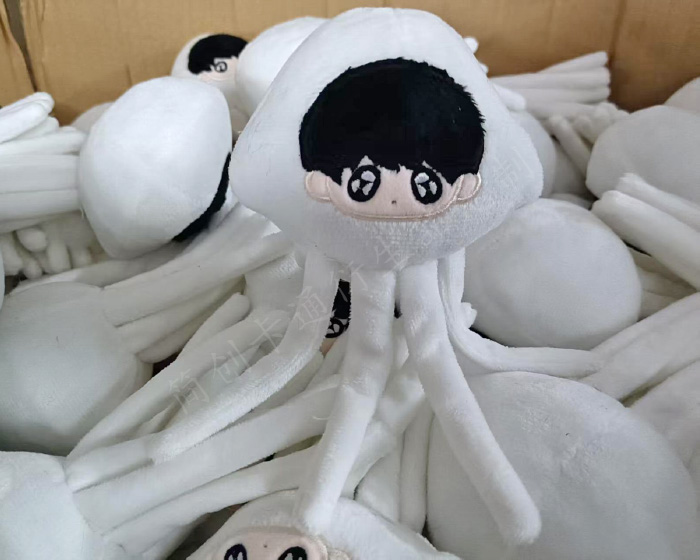


Before asking a custom stuffed animal maker for a quotation, decide what your product needs to communicate. Should customers recognize the animal through natural proportions and markings, or through a simplified character style?
Realistic and stylized designs can both support successful merchandise. The purchasing decision depends on the intended audience, brand identity, reference material, and the features you are prepared to approve during development.
Define What “Realistic” Means for the Project
Realism is not a single specification. One buyer may prioritize the animal’s head shape, while another focuses on coat markings, body posture, or the relationship between the legs and torso.
Rank these features before development begins. A clear list of essential characteristics is more useful than asking the factory to make the product “as realistic as possible.”
For stylized products, define the intended exaggerations just as carefully. An oversized head, shortened legs, and simplified face should be deliberate design choices.
Compare the Development Priorities
| Decision Area | Realistic Direction | Stylized Direction |
|---|---|---|
| Recognition | Depends on selected anatomical and coat features | Depends on recognizable character cues |
| References | Needs consistent views of the intended animal | Needs clear character artwork and proportions |
| Collection planning | Requires a shared level of realism | Requires a shared visual design language |
| Approval focus | Species identity and selected natural details | Expression, silhouette, and brand consistency |
Use Consistent References
A reference pack should describe one coherent direction. Combining a rounded illustration, a photograph of a different breed, and a sample toy with unrelated proportions creates conflicting instructions.
Explain the purpose of each reference. For example, one image may define the coat pattern while an approved drawing defines the body shape. Identify which reference takes priority when they disagree.
Compare Costs Through Actual Design Alternatives
Do not assume a stylized animal will always cost less. A simple-looking character may still require complex shapes, several fabrics, or elaborate decoration.
Ask the manufacturer to compare specific alternatives, such as a simplified marking pattern versus multiple shaped color panels. Review the effect on appearance alongside the quotation.
Build a Consistent Collection
If several animals will launch together, approve a shared design standard. Decide how eyes, paws, expressions, and body proportions should relate across the range.
Explore JianChuang’s custom stuffed animal maker product examples to identify relevant approaches. Submit your references, intended market, dimensions, and required quantities per design for a focused development discussion.
Frequently Asked Questions
Can a stuffed animal combine realistic markings with a stylized body?
Yes. Define which natural features must remain and which proportions can be simplified.
Which style is easier to approve?
The clearer brief is usually easier to evaluate. Both styles need agreed references and feature priorities.