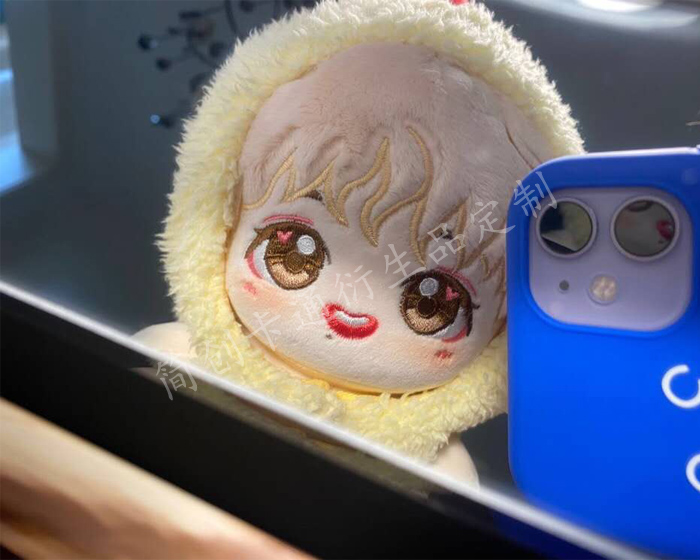


When working with a custom plush manufacturer, one early decision can influence the entire project: should your product use an available body pattern, or should the manufacturer develop a new pattern around your original design?
An existing body may be suitable for a straightforward promotional character. A new pattern may be necessary when distinctive proportions are central to the character’s identity. The right choice depends on which features must remain recognizable and how much development your launch can support.
What Is a Shared Plush Body?
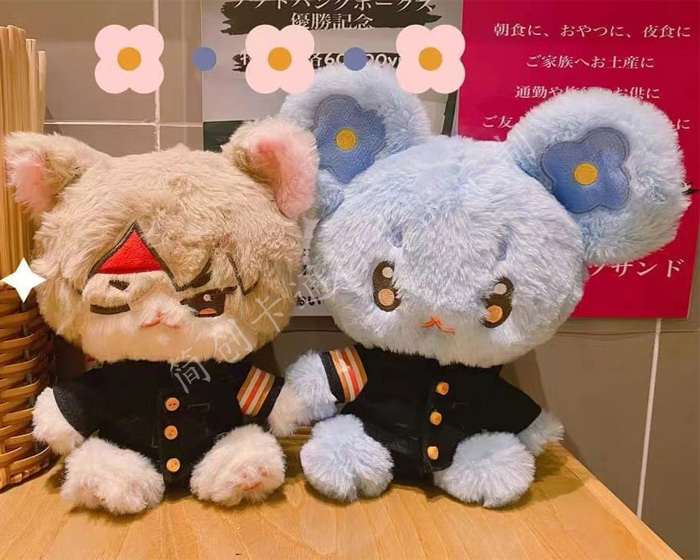
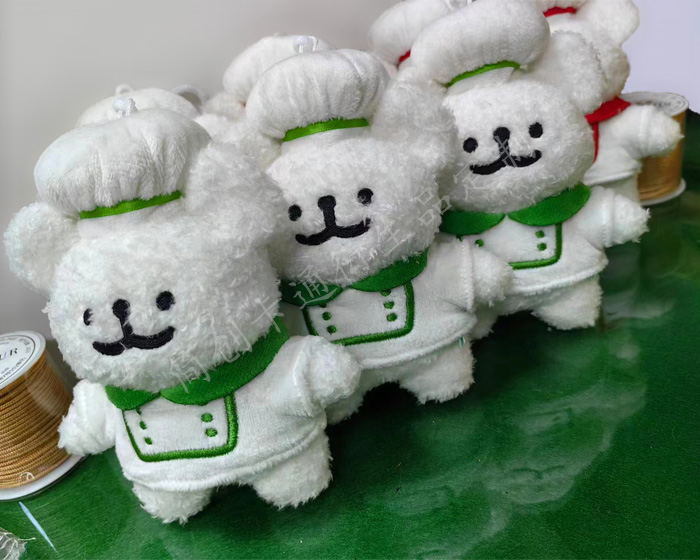
A shared body is an existing structural pattern that may be adapted with different colors, facial details, clothing, or accessories. Its availability and permitted use depend on the supplier and the particular design.
Using an existing body does not mean development disappears. Changes to fabric, stuffing, embroidery, or attachments can still affect appearance and require a new sample.
How Do the Two Approaches Compare?
| Decision Factor | Available Body Pattern | New Original Pattern |
|---|---|---|
| Character proportions | Adapted within the existing structure | Developed around the approved character |
| Development scope | May focus on visible customization | Includes structural pattern development |
| Brand differentiation | Depends heavily on surface details | Can include a distinctive silhouette |
| Future changes | May be limited by the original body | Can be planned around the product roadmap |
Start with the Silhouette
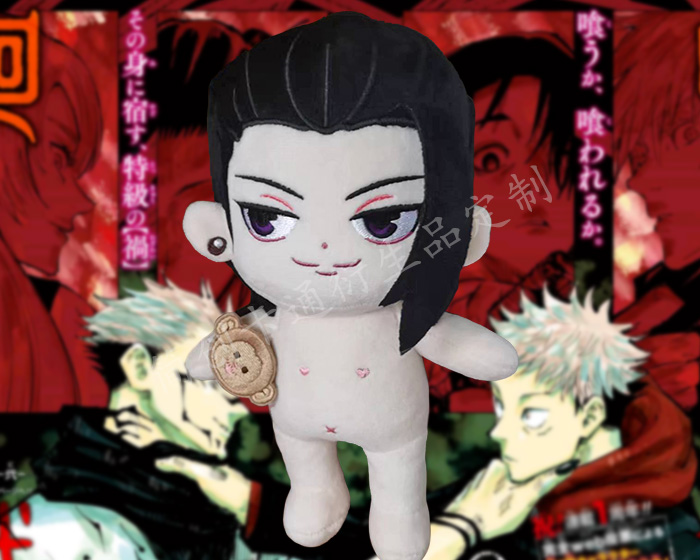
Before comparing quotations, identify the features that make the character recognizable without color or facial details. These might include unusually long ears, a narrow waist, oversized feet, or a particular head-to-body ratio.
For example, a rounded mascot distinguished mainly by its face may work with an available body. A character recognized by its long legs and angular posture may lose its identity if forced into the same structure.
Ask for front, side, and rear views of the proposed body. A suitable front view does not guarantee that the side profile matches your artwork.
Compare Development Scope and Usage Rights
Request separate explanations of pattern work, sample preparation, decoration setup, and revision charges. A lower development fee is useful only when both proposals cover the same deliverables.
Also clarify whether the pattern is shared, whether exclusive use is available, and what files or physical references you will receive. Paying for development does not by itself explain ownership or future reuse arrangements; those points should be recorded in the agreement.
Which Option Should You Choose?
Choose an available body when its proportions already support the character and the permitted customization meets your needs. Choose a new pattern when the silhouette is a major brand asset or when future products depend on specific structural features.
Review JianChuang’s custom plush manufacturer product collection to identify relevant construction examples, then request a project-specific assessment using your artwork, dimensions, and required quantities.
Frequently Asked Questions
Does an existing pattern eliminate sampling?
No. The finished combination of materials, decoration, proportions, and filling still needs approval.
Is a new pattern always the better investment?
No. Its value depends on whether the additional development creates a meaningful improvement in brand recognition, product function, or future flexibility.