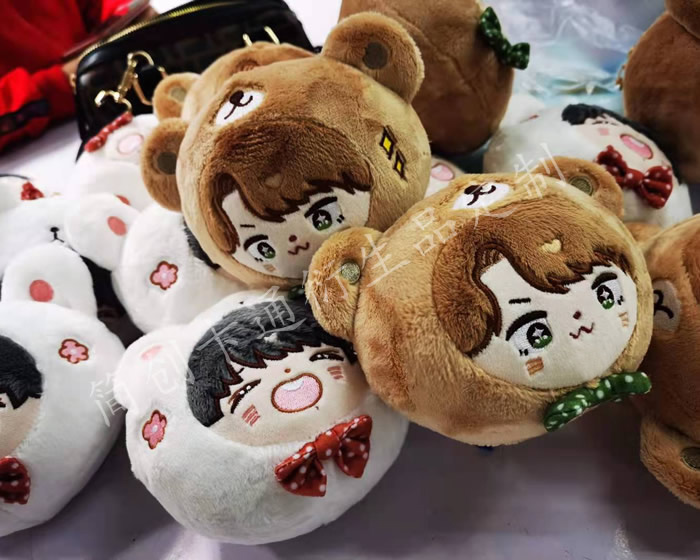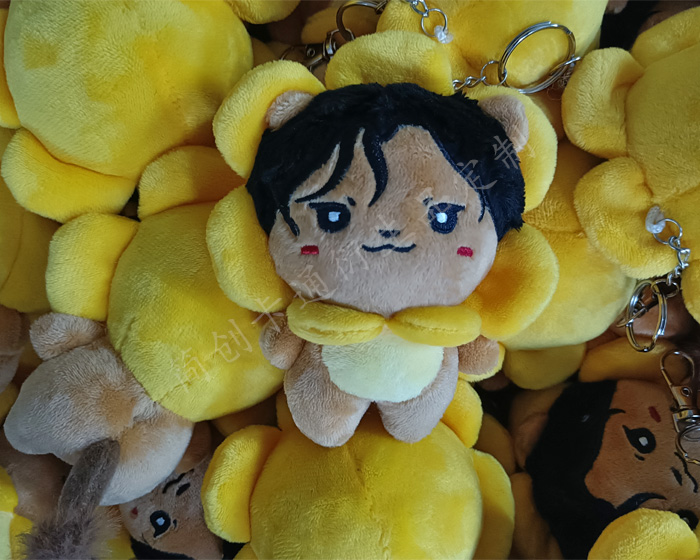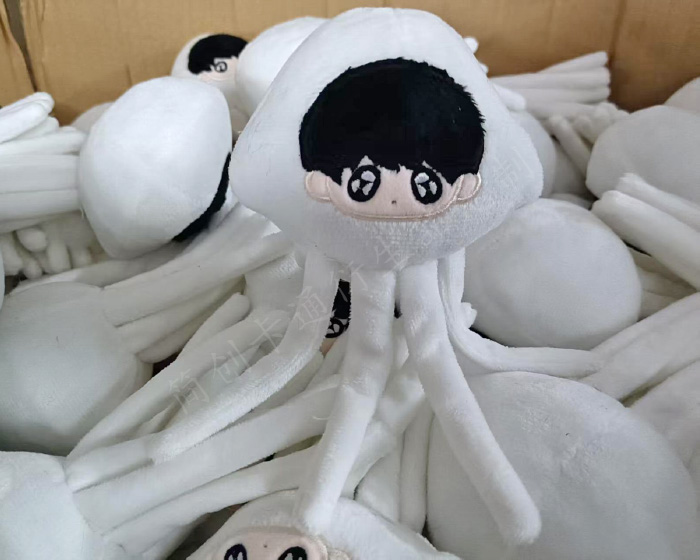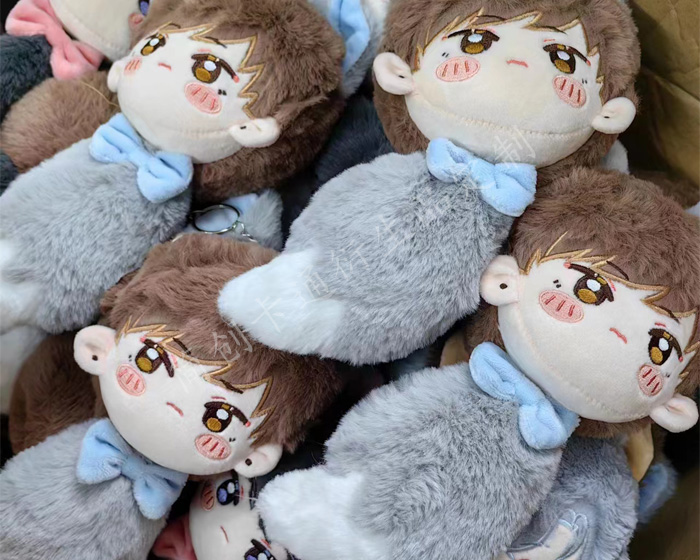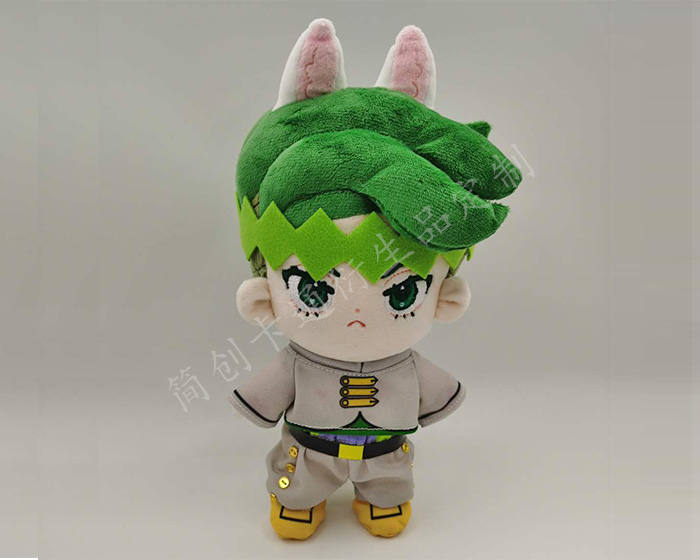


A custom plush prototype rarely matches every detail of the original artwork on the first attempt. A buyer may request changes to the facial expression, body proportions, fabric texture, or accessories after reviewing the sample.
For brands collaborating with custom plush makers, managing these changes is as important as the creative development itself.
Why Does Revision Control Matter?
When several people review a plush sample, feedback may arrive through emails, photographs, annotated drawings, and messages.
Without a clear record, the development team may not know which changes are approved, which are still under review, and which version should be used for production.
A structured revision process helps reduce misunderstandings between the brand, designer, and manufacturer.
1. Assign a Version to Each Sample
Every prototype should have a unique identification number or revision label.
For example, a project may use Sample A01, A02, and A03 to distinguish different development stages.
These labels are illustrative; the actual system can follow the buyer's project management requirements.
Photographs and technical documents should reference the correct sample version.
2. Separate Visual Changes from Structural Changes
Not all modifications have the same manufacturing impact.
Visual Changes
Examples include embroidery color, printed graphics, or minor decorative adjustments.
Structural Changes
Examples include head size, body shape, limb attachment position, or internal construction.
Structural changes may affect pattern dimensions, material usage, sewing operations, and clothing compatibility.
Therefore, the manufacturer should evaluate the scope of each modification before confirming a new sample.
3. Use Specific Feedback
Feedback such as "make the doll cuter" may be difficult to translate into a measurable change.
A more useful instruction identifies the location and requested adjustment.
For example, the buyer might request a revised eye position, shorter ears, or a different fabric color based on a clearly marked reference.
The manufacturer should then confirm how the change will be implemented.
4. Keep a Revision Record
| Field | Example Information |
|---|---|
| Sample version | A02 |
| Requested change | Adjust eyebrow position |
| Reference document | Approved artwork revision B |
| Responsibility | Design and sample development team |
| Approval status | Pending buyer review |
| Next action | Prepare revised facial sample |
5. Establish a Final Approval Package
Before approving mass production, identify the final physical sample and its supporting specifications.
The approval package may include final artwork, patterns, materials, embroidery details, finished dimensions, accessories, packaging, and labeling requirements.
If the buyer approves a change after production release, the impact on materials, costs, schedule, and existing work should be reviewed.
How to Handle Multiple Characters
Projects with several characters should maintain separate revision records for each unique style.
Shared components can be documented, but changes to one character should not automatically be applied to all related designs.
Clear version control is especially useful when character collections are developed over multiple production periods.
Develop custom plush Products with JianChuang
JianChuang provides Custom Plush development and manufacturing services for brands, original character creators, and commercial buyers.
Businesses seeking custom plush makers for original merchandise can discuss prototype development, design requirements, and production planning with JianChuang.
Start a Custom Plush Prototype Project
Submit your artwork, target size, design references, and expected production quantity for project evaluation.
Explore Custom Plush DevelopmentFrequently Asked Questions
How many prototype revisions should a brand expect?
There is no fixed number. It depends on design complexity, initial specifications, sample results, and the agreed development scope.
Can changes after final approval affect production cost?
Yes. Changes may require new materials, pattern modifications, or additional production work.
Is a photograph enough to approve a custom plush sample?
Photographs can support communication, but physical sample review and documented specifications are preferable for critical product details.