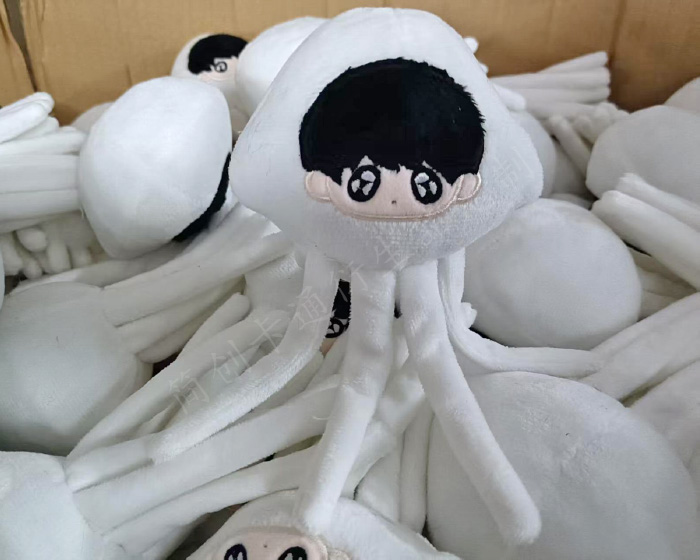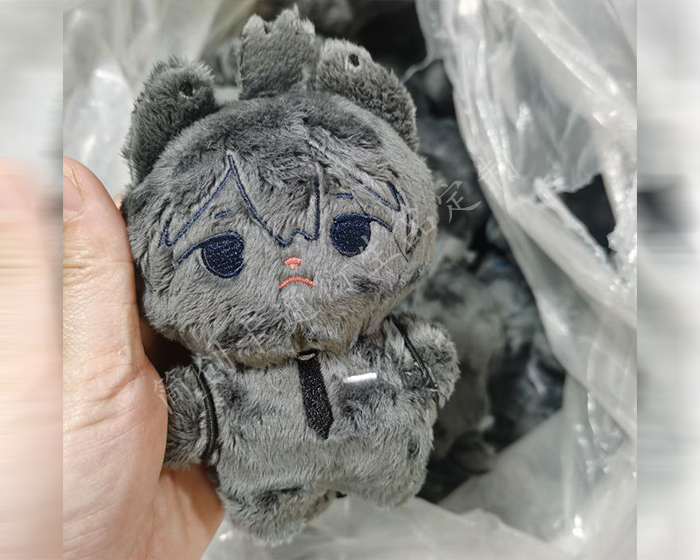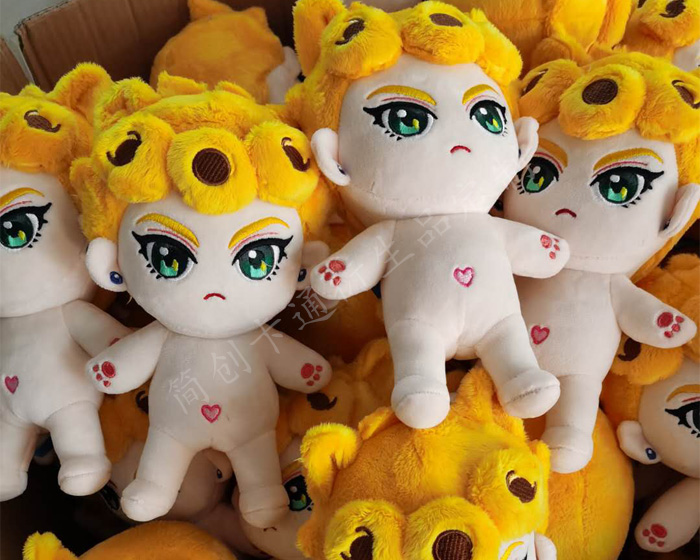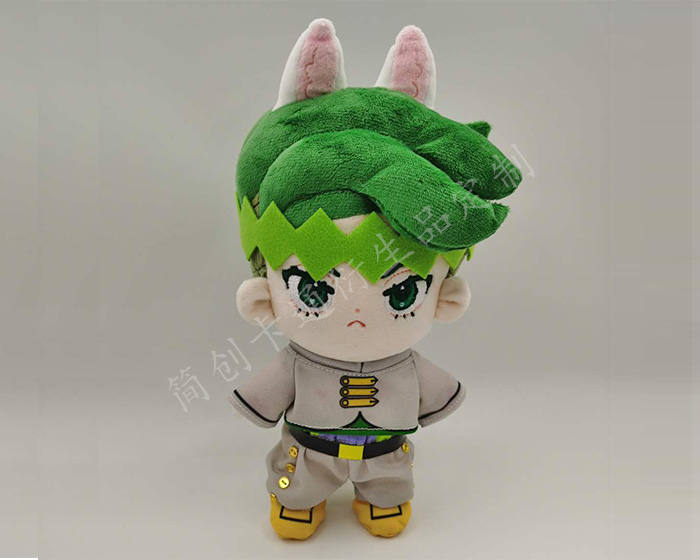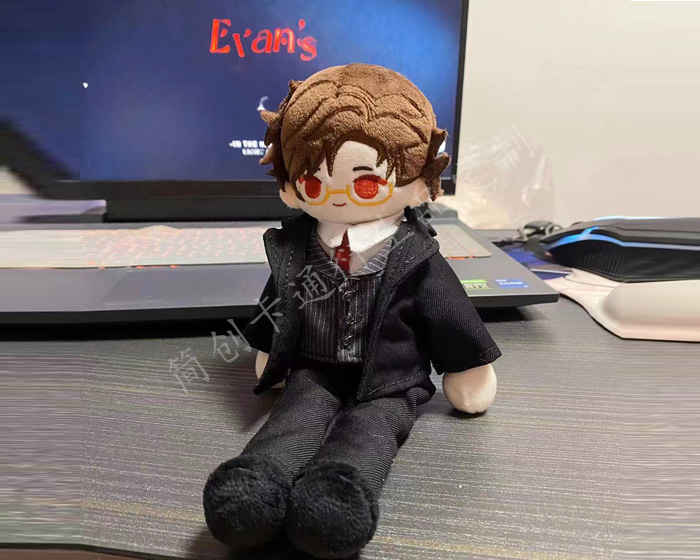


A cute plush doll is more than a soft toy. Its appeal comes from a carefully balanced combination of facial expressions, body proportions, fabric texture, colors, and emotional connection. Whether designed as a collectible character, promotional mascot, or personalized gift, an appealing plush doll should be visually recognizable, pleasant to touch, and comfortable to hold.
The most appealing cute plush dolls typically feature rounded shapes, expressive faces, soft fabrics, harmonious colors, and distinctive character details. Successful plush toy design combines visual cuteness with tactile comfort, durability, and consistent manufacturing quality.
1. Why Are Cute Plush Dolls So Appealing?
Cute plush dolls often incorporate visual characteristics associated with youthful or friendly appearances, such as large eyes, rounded cheeks, compact bodies, and simplified facial features.
These design elements can make characters appear approachable and emotionally engaging. However, cuteness is not determined by one feature alone. The relationship between facial proportions, body shape, materials, and character personality creates the overall impression.
For example, a plush rabbit with oversized ears, a rounded body, and a small embroidered smile may communicate gentleness and warmth. A stylized monster plush with tiny horns and large eyes can achieve a similarly appealing appearance through playful contrast.
This flexibility allows brands and designers to develop cute stuffed animals and original characters that match different audiences and product positioning.
2. How Do Facial Proportions Influence Plush Doll Cuteness?
Facial design is one of the most recognizable elements of a cute plush doll. Small adjustments to eye spacing, mouth placement, or head proportions can significantly change a character's expression.
Large Eyes and Simple Expressions
Large eyes can make a character appear expressive and approachable. Embroidered eyes, printed details, and appropriately selected plastic components can produce different visual effects.
For products intended for young children, facial components must be selected according to applicable product safety requirements. Embroidered facial features are often useful when designers want to avoid detachable decorative parts.
Rounded Head and Body Shapes
Rounded silhouettes are commonly used in cute plush doll design because they create a soft, friendly appearance.
A relatively large head combined with a compact body can emphasize the character's facial expression. However, proportions should be adjusted according to the intended character style.
Balanced Facial Placement
Eye distance, nose position, mouth size, and cheek placement should be evaluated together.
During custom plush doll development, manufacturers can produce prototypes to determine whether the facial expression remains consistent with the original artwork.
3. How Does Fabric Texture Affect the Appeal of a Cute Plush Doll?
Fabric selection influences both the appearance and tactile experience of a plush doll.
A character may look attractive in a digital illustration but feel completely different after production if the fabric pile, stuffing density, or surface texture is unsuitable.
| Fabric Type | Main Characteristics | Typical Applications |
|---|---|---|
| Short-Pile Plush | Smooth appearance and clear surface details | Character dolls, mascots, promotional toys |
| Minky Fabric | Soft texture and comfortable touch | Cuddly plush dolls and baby-oriented designs |
| Velboa | Short pile and relatively smooth finish | Detailed character plush toys |
| Faux Fur | Longer fibers and fluffy appearance | Animal plush toys and decorative characters |
| Fleece | Soft surface and flexible construction | Simple plush characters and accessories |
The best fabric depends on the intended appearance, target market, product size, and manufacturing requirements.
For example, a small plush doll with intricate embroidered details may benefit from short-pile fabric, while a large cuddly stuffed animal may use a longer-pile material to create a fluffy appearance.
4. What Role Do Colors Play in Cute Plush Doll Design?
Color combinations influence how consumers perceive a plush character.
Pastel shades are frequently associated with gentle, playful aesthetics, while bright colors can create energetic and memorable characters.
Neutral colors may be suitable for minimalist collections, interior decorations, and premium gift products.
Practical Color Design Tips
-
Use a consistent primary color to establish character identity.
-
Limit unnecessary color variations that complicate the design.
-
Choose accent colors for the eyes, ears, clothing, or accessories.
-
Evaluate fabric samples under realistic lighting conditions.
-
Confirm color consistency before mass production.
For branded custom plush dolls, color matching is particularly important because the finished product should remain recognizable and consistent with the brand's visual identity.
5. Why Do Softness and Stuffing Matter?
A cute plush doll should not only look attractive but also provide the intended tactile experience.
Stuffing density influences how a plush doll feels, holds its shape, and responds to handling.
Overstuffing may make the doll feel rigid or distort its intended proportions. Insufficient stuffing may cause the character to appear uneven or lose its shape.
Manufacturers should evaluate stuffing distribution in the head, body, arms, legs, and other important areas.
For larger plush dolls, internal support or carefully designed pattern structures may be necessary to maintain the intended appearance.
6. How Can Small Design Details Make a Plush Doll More Attractive?
Distinctive details help transform a generic stuffed toy into a recognizable character.
These details may include:
-
Fine embroidery for eyelashes, eyebrows, and mouth expressions.
-
Unique ear shapes, tails, horns, or decorative features.
-
Custom clothing and removable accessories.
-
Character-specific patterns and color combinations.
-
Embroidered logos and branded labels.
However, excessive decoration can make a plush doll appear visually crowded or increase manufacturing complexity.
The most effective designs usually prioritize a few recognizable features rather than adding unnecessary details.
7. How Do Manufacturers Turn Cute Plush Doll Designs into Real Products?
Turning an illustration into a physical plush doll requires coordination between designers, pattern makers, sample technicians, and production teams.
Step 1: Review the Original Design
The manufacturer evaluates character artwork, dimensions, colors, materials, and special details.
Step 2: Develop the Plush Pattern
Two-dimensional fabric patterns are created to reproduce the intended three-dimensional shape.
Step 3: Select Materials
Suitable fabrics, embroidery threads, stuffing materials, and accessories are selected based on the design and product requirements.
Step 4: Produce a Prototype
A sample is manufactured to evaluate facial expression, proportions, softness, and construction quality.
Step 5: Refine and Approve the Sample
Adjustments may be made to the pattern, embroidery, color matching, or stuffing distribution before approval.
Step 6: Begin Bulk Manufacturing
After sample approval, the manufacturer prepares materials, production instructions, quality inspections, and packaging requirements.
Working with an experienced custom plush manufacturer can help brands maintain consistent character details from prototype development to volume production.
8. What Should Brands Consider When Designing Cute Plush Dolls?
For businesses developing custom plush dolls, visual appeal must be balanced with practical manufacturing requirements.
| Design Factor | Why It Matters |
|---|---|
| Character Recognition | Helps customers identify the original design |
| Facial Embroidery | Improves expression consistency and detail |
| Fabric Selection | Determines appearance, softness, and texture |
| Product Size | Influences proportions, handling, and cost |
| Stuffing Density | Affects comfort and shape retention |
| Safety Requirements | Supports compliance with applicable market standards |
| Manufacturing Consistency | Helps maintain quality across production batches |
Before approving bulk production, brands should inspect physical samples and establish clear acceptance criteria for important design features.
9. Frequently Asked Questions About Cute Plush Dolls
What makes a plush doll look cute?
Rounded shapes, expressive facial features, soft textures, harmonious colors, and balanced proportions commonly contribute to the appearance of a cute plush doll.
What is the best fabric for cute plush dolls?
Short-pile plush, minky, velboa, fleece, and faux fur are common options. The most suitable material depends on the character design, desired softness, and intended application.
Can a manufacturer create a plush doll from a drawing?
Yes. Custom plush manufacturers can use character illustrations, reference images, and design specifications to develop patterns and physical prototypes.
How can brands make custom plush dolls more recognizable?
Consistent facial expressions, signature colors, distinctive silhouettes, and carefully selected accessories can help establish recognizable character identities.
Are embroidered eyes better than plastic eyes?
Embroidered eyes offer flexible design options and avoid separate plastic eye components. The appropriate construction depends on the desired appearance, intended users, and applicable safety requirements.
Conclusion
The appeal of a cute plush doll comes from the relationship between visual design, material softness, character expression, and manufacturing quality.
Rounded proportions, expressive embroidery, carefully selected fabrics, and balanced stuffing can help create plush dolls that are visually appealing and comfortable to hold.
For brands planning custom plush manufacturing, prototype development and quality control are essential steps in transforming a creative character into a consistent, production-ready product.
Bring Your Cute Plush Doll Design to Life
Looking for a manufacturing partner for your custom plush doll project? From character development and material selection to sampling and bulk production, a professional plush manufacturer can help turn your design into a finished product.
Discuss Your Custom Plush Project