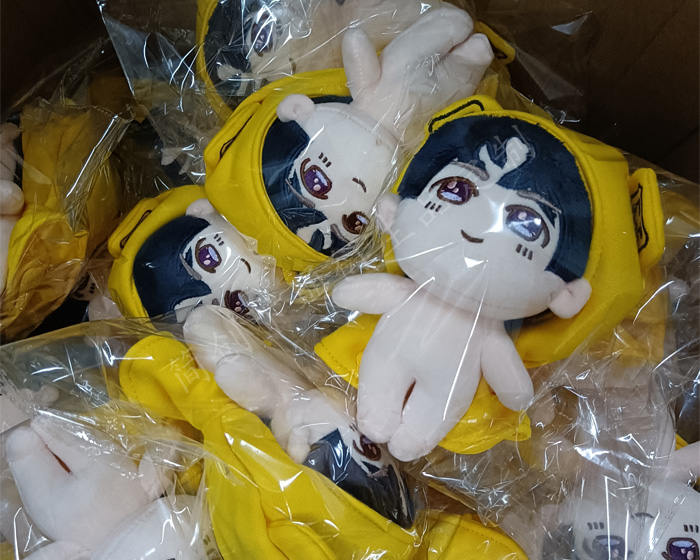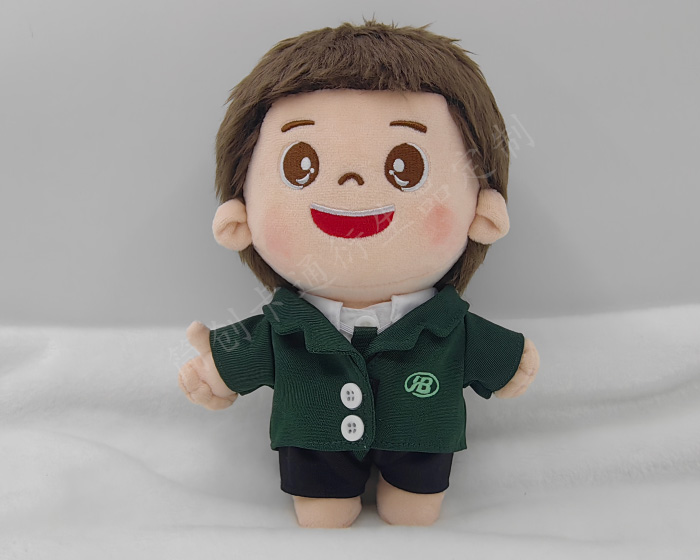


Doll plush products combine character design with soft textile manufacturing. Unlike ordinary stuffed animals, human-shaped plush dolls often depend on facial expressions, hairstyles, clothing and carefully controlled body proportions.
For original IP creators and merchandise brands, the challenge is maintaining character recognition while creating a soft, comfortable and commercially practical product.
1. What Makes Doll Plush Different from Animal Plush?
Animal plush toys often emphasize rounded bodies, soft limbs and recognizable animal features. Doll plush designs typically require more precise facial embroidery, hairstyle construction and clothing details.
Small differences in eye spacing, head shape or hair placement can significantly change the character's expression.
Manufacturers should therefore evaluate character artwork carefully before developing the first sample.
2. Choose a Head-to-Body Ratio Intentionally
Head-to-body ratio is one of the most recognizable features of a plush doll. Anime-inspired and chibi-style characters frequently use enlarged heads and compact bodies.
However, the ideal ratio depends on the original design, intended product size and desired pose.
| Design Element | What to Evaluate |
|---|---|
| Head size | Character recognition and stability |
| Body length | Overall proportions and clothing fit |
| Arm position | Pose and ease of dressing |
| Leg length | Sitting stability and silhouette |
| Hair volume | Appearance, weight and sewing complexity |
Rather than selecting a universal proportion, designers should approve the character's measurements through front and side technical drawings.
3. Face Embroidery Is a Structural Design Decision
Facial embroidery is especially important for doll plush products. Eye shape, eyebrow angle, mouth position and eyelash details influence the character's personality.
Embroidery density, stitch direction and thread color should be evaluated on the actual selected fabric.
A design that looks attractive on a digital illustration may need adjustment when translated into embroidery stitches.
During sample approval, compare the embroidered face with the original artwork under consistent lighting.
4. Hair and Fabric Selection
Different fabrics create different visual effects and tactile experiences. Short-pile plush fabric can provide a smooth surface, while longer-pile materials may be suitable for fluffy hairstyles or animal-inspired characters.
Fabric thickness, stretch, pile direction and color consistency should all be considered.
For character hair, manufacturers may use layered fabric panels, embroidered details or shaped textile components depending on the artwork.
Complicated hairstyles can increase pattern development and sewing time, so early prototype evaluation is important.
5. Balance Huggability with Pose
A plush doll should feel comfortable while maintaining its intended shape. Overfilling can make the product too rigid, while insufficient filling can cause the head or limbs to sag.
Filling distribution should be adjusted according to the doll's size, body proportions and intended use.
For dolls designed to sit independently, the base shape and center of gravity require particular attention.
6. Approve the Sample from Multiple Angles
Sample approval should not rely on a single front-facing photograph. Review the doll from the front, side, back and seated or standing position.
Check facial symmetry, embroidery placement, hair construction, fabric consistency and finished dimensions.
Document approved specifications before bulk manufacturing to reduce variation between production batches.
custom doll Plush Manufacturing with JianChuang
JianChuang provides custom plush doll manufacturing services for original IP creators, anime merchandise brands and commercial buyers.
Projects may include custom character patterns, facial embroidery, fabric selection, sample development and bulk production.
Explore our custom plush doll manufacturing services to learn more.
Frequently Asked Questions
Can I make a plush doll from my original character?
Yes. Original character artwork can be evaluated for pattern development, embroidery and sample manufacturing.
What affects the appearance of a plush doll's face?
Eye spacing, embroidery stitch direction, fabric texture, head shape and filling distribution can all influence the final expression.
Can a doll plush have removable clothing?
Yes. Removable clothing can be developed as part of a custom project, but fit, construction and applicable product safety requirements should be evaluated during sampling.
Create Your Custom Plush Doll Toy
Send your character artwork, preferred dimensions and estimated order quantity to discuss sample development and manufacturing.