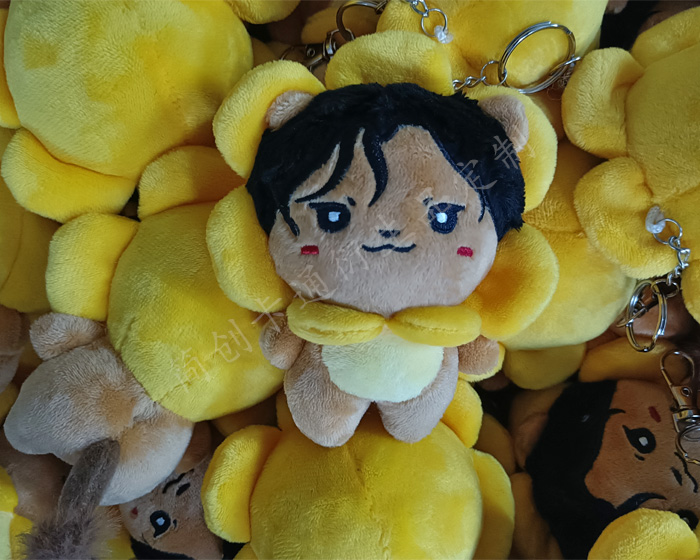


When comparing plush toy companies, brands often face a practical sourcing decision: place the entire range with one supplier or divide it among companies with different specialties.
One supplier may simplify communication, while multiple specialists may suit a range with very different constructions. The right arrangement depends on demonstrated capability and the buyer’s ability to coordinate the work.
Map the Range Before Selecting the Sourcing Model
List the products and their important manufacturing requirements. A range containing several similar stuffed animals is different from a range combining character dolls, removable outfits, cushions, and functional pouches.
Ask potential suppliers to identify relevant examples for each product type. A broad product catalog is a starting point for discussion, but the project still needs a capability and sample review.
Compare the Operating Models
| Decision Factor | One Supplier | Multiple Specialists |
|---|---|---|
| Communication | One main commercial relationship | Several relationships to manage |
| Product capability | Must be suitable across the required range | Can be matched to individual product types |
| Brand coordination | Can be reviewed through one project structure | Requires shared standards across suppliers |
| Schedule management | Concentrates dependencies with one supplier | Creates several production schedules to coordinate |
Calculate the Buyer’s Coordination Cost
A unit-price comparison can overlook internal work. Multiple suppliers may mean separate sample approvals, purchase orders, payment arrangements, shipping plans, and quality discussions.
One supplier does not remove this work entirely. If the products use different production arrangements, clarify who manages each stage and who is responsible for the finished result.
Compare the total purchasing process, including the time your team needs to keep it aligned.
Keep Brand Standards Independent of the Supplier
Whichever sourcing model you choose, maintain a buyer-controlled character guide. It should identify approved colors, facial proportions, logos, artwork versions, and the features that must remain consistent.
When several suppliers are involved, nominate a person who can resolve differences across the range. Each supplier approving its own interpretation is not the same as approving one coherent collection.
Make the Decision Product by Product
One supplier can be a good fit when the range shares similar construction needs and the supplier demonstrates suitable capability. Multiple specialists may make sense when the products require substantially different expertise and the buyer can manage the added coordination.
Compare JianChuang’s product range when evaluating plush toy companies. Use the examples to prepare targeted questions about your actual designs, rather than relying on a general supplier label.
Frequently Asked Questions
Is using several suppliers automatically safer?
No. It can distribute some dependencies while creating new coordination and consistency challenges.
Can one supplier handle every soft product?
Capability should be assessed by product and project. Confirm relevant experience, proposed construction, and approval requirements.