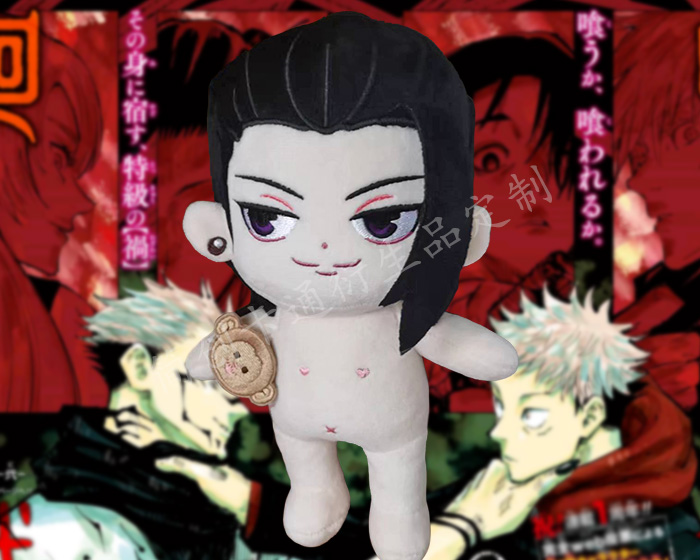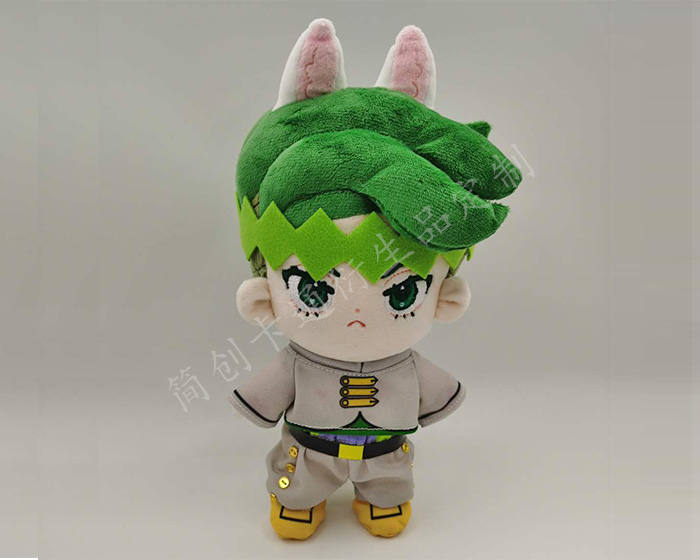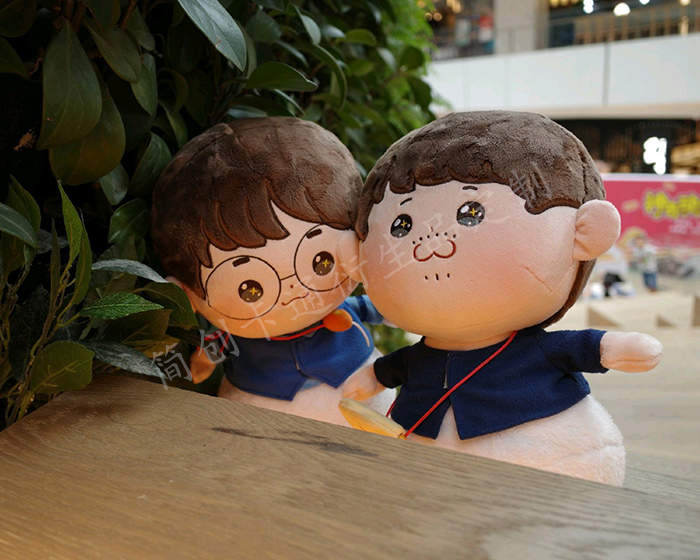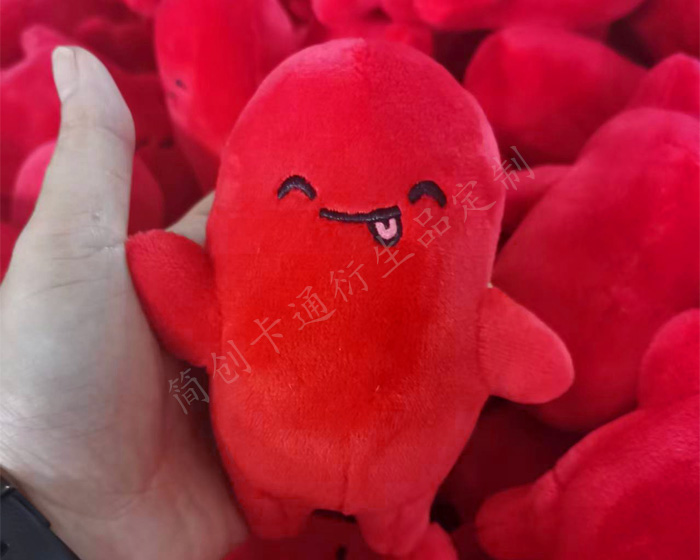


Facial embroidery is one of the most recognizable features of a custom plush doll. Small differences in eye spacing, eyebrow angle, or mouth position can change the character's expression.
For brands working with plush doll manufacturers, maintaining accurate embroidery placement requires coordination between digital artwork, fabric cutting, embroidery, sewing, and stuffing.
Why Does Embroidery Placement Change?
A digital embroidery file defines where stitches should be placed, but the final appearance also depends on the physical material.
Fabric can stretch or shift during embroidery. Sewing and stuffing can further change how the embroidered panel curves around the head.
As a result, embroidery that appears correctly aligned on a flat panel may look different on the finished three-dimensional doll.
1. Establish Facial Reference Points
Before embroidery begins, the manufacturer should identify reference points for the face.
These may include the vertical centerline, eye level, nose position, and other critical landmarks.
Consistent reference points make it easier to compare the embroidery layout with the approved design.
2. Consider Fabric Stretch
Stretchable fabrics can deform during handling and embroidery.
Appropriate stabilization and fabric handling techniques may help control distortion.
The selected approach should be compatible with the fabric backing, surface pile, and embroidered design.
3. Coordinate Embroidery with Pattern Making
Facial embroidery is often applied before the complete head is sewn and stuffed.
Therefore, embroidery placement must be coordinated with the panel shape and seam allowances.
A small change to the head pattern may require the embroidery position to be checked again.
4. Evaluate the Finished Three-Dimensional Face
After sewing and stuffing, the face may become more rounded.
Eye spacing and mouth position should be evaluated on the assembled sample rather than solely on the flat fabric panel.
This is especially important for character dolls with large eyes or deliberately asymmetric expressions.
Embroidery Alignment Checklist
| Check | Why It Matters |
|---|---|
| Face centerline | Supports consistent overall alignment |
| Eye spacing | Maintains character recognition |
| Eyebrow angle | Affects facial expression |
| Mouth position | Influences overall balance |
| Fabric stability | Helps reduce distortion |
| Finished head shape | Confirms appearance after stuffing |
What Should Be Included in the Approved Sample?
The sample approval package should identify the approved facial artwork, embroidery colors, head pattern, and relevant position requirements.
Where character recognition is important, close-up photographs may help document the expected appearance.
However, photographs should supplement rather than replace the physical reference sample and technical requirements.
custom plush Doll Manufacturing with JianChuang
JianChuang works with original character creators, brands, and merchandise buyers developing customized plush dolls.
Buyers researching plush doll manufacturers for original character designs can explore JianChuang's pattern development, embroidery, prototype, and OEM production services.
Turn Your Character Artwork into a Plush Doll
Share your character illustrations, face details, preferred size, and estimated quantity to discuss a custom project.
Explore Custom Plush Doll ManufacturingFrequently Asked Questions
Why can plush doll eyes look uneven after stuffing?
The head shape, fabric stretch, and embroidery placement may interact. The complete assembled sample should be evaluated to identify the cause.
Can embroidery positioning be controlled by a digital file alone?
No. Fabric handling, pattern accuracy, and sewing construction also influence the finished result.
Should facial embroidery be checked before mass production?
Yes. Confirming the finished embroidered face during prototype approval helps establish a clear production reference.