







For artists, entertainment brands, game studios, and original IP owners, turning a character illustration into a physical plush doll can open up new commercial opportunities.
However, translating a two-dimensional character into a three-dimensional fabric product requires careful planning. Professional plush doll manufacturers must consider proportions, materials, construction, and small visual details throughout the development process.
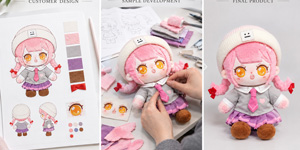
Step 1: Prepare the Character Design
The first step is to provide a clear reference for the character.
Ideally, the design package should include front, side, and back views, along with color references, facial details, clothing, accessories, and target dimensions.
If only a single illustration is available, additional discussion may be needed to determine how the character should look from other angles.
Step 2: Translate the Design into a Three-Dimensional Shape
A flat illustration does not automatically define the shape of a finished doll.
Pattern development determines how individual fabric pieces fit together to create the head, body, arms, legs, and other features.
The manufacturer must consider proportions, volume, seams, and how the selected materials behave when sewn and stuffed.
This stage is particularly important for stylized characters with oversized heads, unusual silhouettes, or distinctive hairstyles.
Step 3: Select Suitable Fabrics and Details
Fabric selection affects both appearance and touch.
Different plush textures may be appropriate for the body, hair, clothing, or decorative components. Embroidery can reproduce facial features, while carefully selected accessories can help preserve the character's identity.
Color references and material samples can help reduce uncertainty during development.
Step 4: Develop and Review a Prototype
The first physical sample allows the buyer to assess whether the product matches the intended design.
Review the overall silhouette, head-to-body ratio, facial expression, color placement, stitching, and accessory details.
Provide specific feedback rather than general comments. For example, explain whether the head should be wider, the eyes should be repositioned, or the body should be shorter.
Step 5: Approve the Final Sample
After revisions, approve the final sample and document the specifications for mass production.
This approved version becomes the reference for dimensions, colors, construction, and appearance.
Additional changes after approval may affect costs and production schedules, so important design decisions should be finalized early.
Step 6: Move into Production
Once the specifications and commercial terms are confirmed, the manufacturer can prepare materials and coordinate production.
Quality inspections should focus on the details that matter most to the character, including facial embroidery, shape consistency, fabric color, and accessory placement.
Turn Your Character into a custom plush doll with JianChuang
JianChuang works with brands, designers, and IP owners on custom plush development, from design review and prototype creation to bulk production.
Explore our custom plush toy manufacturing services to learn how your character can be developed into a physical product.
Custom Plush Project Showcase
Custom Stuffed Dolls Manufacturer
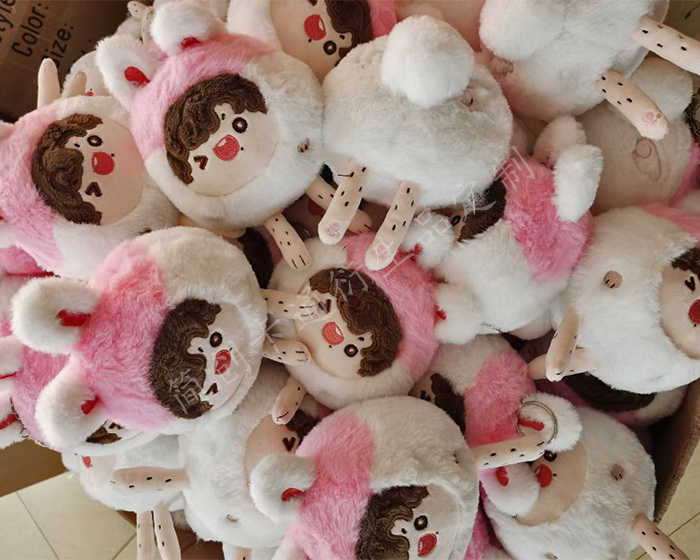
Custom Dumpling Plush Factory
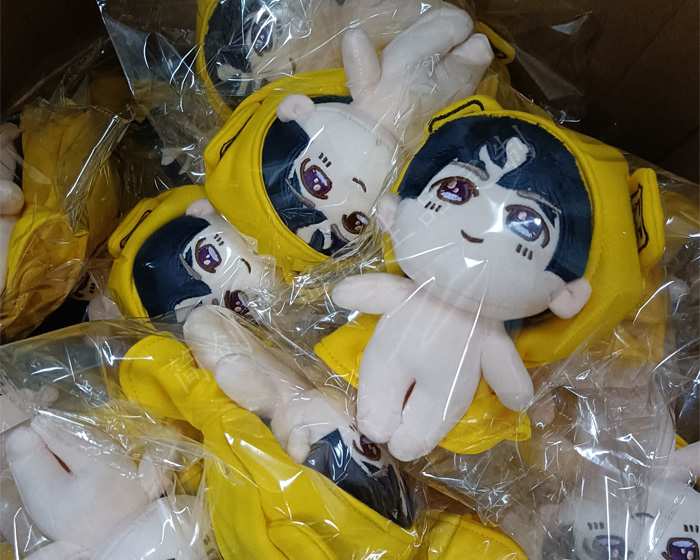
Custom Personalised Stuffed Animal Manufacturers
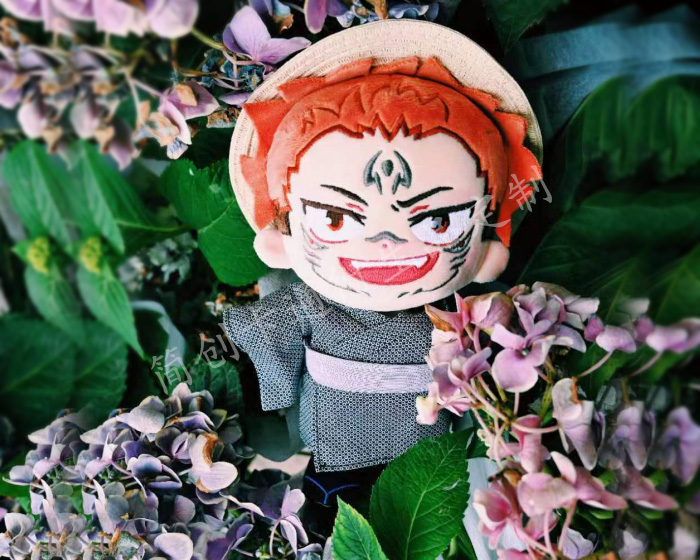
Custom Plush Stuffed Doll Manufacturer

Custom Cotton Doll Factory
-
Jojo Rag Doll Making Manufacturers
-
Custom Plush Pendant Factory
-
Custom Plushies Manufacturers
-
Custom Super Jojo Plush Manufacturers
-
Custom Animal Plush Manufacturer
-
Best Toy Manufacturer
-
Rag Doll Custom Plush Makers
-
Custom Warmies Stuffed Animals Manufacturer
-
Custom Anime Plush Manufacturer
-
Custom Plush Maker Manufacturer
-
Custom Personalized Stuffed Animals Factory
-
Custom Rag Doll Manufacturers
-
15cm20cm Jojo Doll Custom Factory
-
Custom Cute Stuffed Animals Manufacturer
-
Custom 40cm80cm Large Plush Animals Factory
-
Custom Plush Stuffed Doll Factory
-
Custom Stuffed Dolls Manufacturers
-
Custom Plush Toy Manufacturer
-
6cm Custom Plush Pendant Manufacturer
-
Custom Pet Stuffed Animal Manufacturer
-
Custom Plush Dolls Pendant Manufacturer
-
Custom Plush Fleece Earmuffs Manufacturer
-
Custom Weighted Plush Toys Manufacturer
-
Custom Maltese Dog Plush Toys Manufacturers
-
Custom Plush Animal Toys Manufacturers
-
Custom Toys Manufacturers
-
Weighted Stuffed Animal Factory
-
Custom Cute Plush Doll Factory
-
Custom Stuffed Animals Manufacturers
-
Custom Plush Toy Manufacturers
-
5cm Plush Toy Pen Cover Custom Factory
-
Custom Soft Toys Manufacturer
-
Custom Weighted Stuffed Animal Manufacturers
-
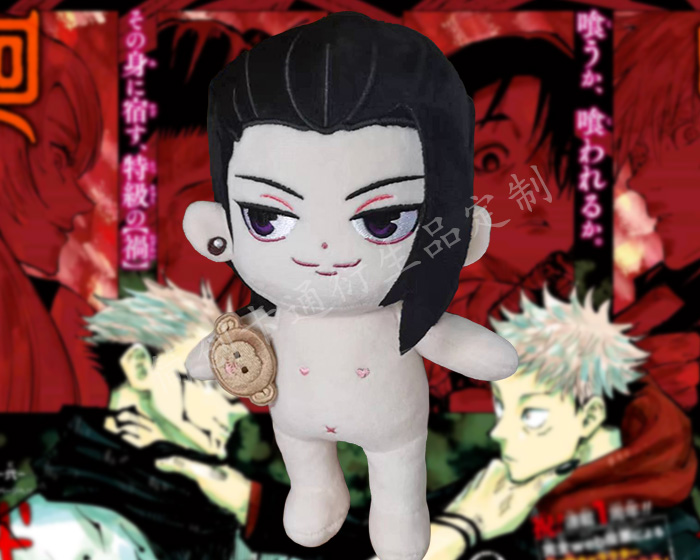
Jujutsu Kaisen Custom Doll Factory
-
Custom Stuffed Animals Factory
-
Custom 15cm Cotton Doll Factory
-
Custom Anime Plush Manufacturer
-
Custom Plushie Makers Manufacturer
-
Custom Stuffed Animal Manufacturers
-
Custom Plush Toy Manufacturers
-
Custom Hand Puppet Manufacturer
-
Custom Bear Stuffed Toy Manufacturer
-
Custom Stuffed Animal Manufacturer
-
15cm20cm40cm Custom Cotton Dolls Manufacturer
-
Custom Plush Doll Manufacturer
-
Custom Plush Toy Factory
-
Custom Dolls Manufacturer
-
20cm Cotton Doll Anime In China