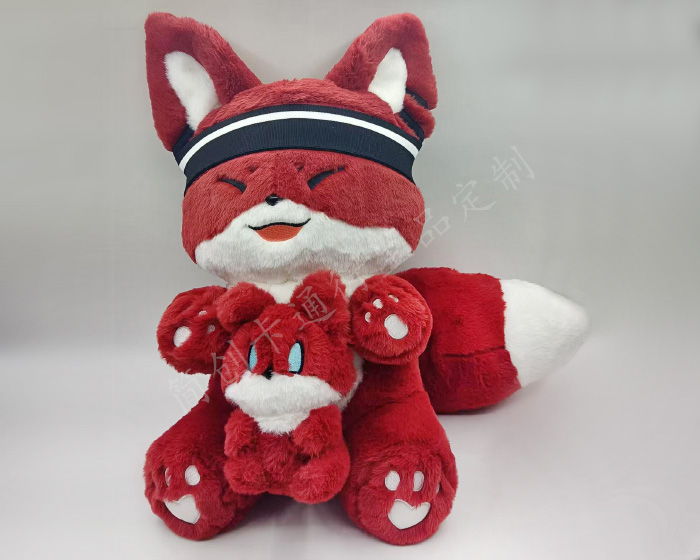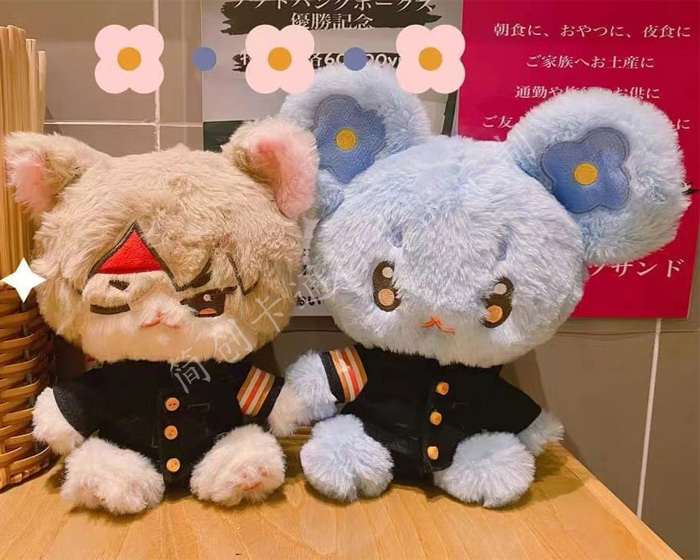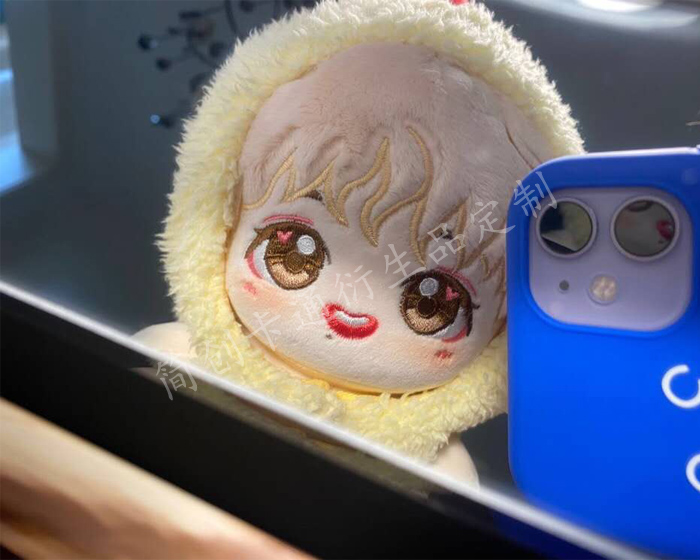


A plush toy maker may use embroidery, fabric appliqué, or a combination of both to reproduce a character’s features. Buyers often compare these options by appearance alone, but the decision also affects construction, material selection, and approval requirements.
Embroidery creates details with stitched thread. Fabric appliqué uses a separate fabric shape attached to the base material. The most suitable method depends on the size and position of the feature, the intended finish, and the actual materials.
Match the Method to the Artwork
Begin by separating the artwork into different types of detail. Eyes, eyebrows, outlines, large color patches, and layered shapes may not need the same treatment.
A design can combine an appliqué belly panel with embroidered facial details. There is no purchasing advantage in forcing every feature into one technique if a mixed construction better supports the approved design.
Compare the Main Purchasing Considerations
| Factor | Embroidery | Fabric Appliqué |
|---|---|---|
| How the detail is formed | Thread creates the visible design | A separate fabric piece creates the visible shape |
| Visual character | Depends on stitching and thread choices | Depends on fabric, shape, and edge treatment |
| Material coordination | Requires suitable thread and base fabric | Requires coordination of base and appliqué fabrics |
| Cost assessment | Review design complexity and production setup | Review cutting, positioning, attachment, and materials |
Judge Details at the Finished Size
Artwork viewed on a large screen can hide problems that appear when the feature is reduced to its actual size. Ask to review the decoration on the intended fabric and at the planned product dimensions.
For a face, assess the expression from a normal viewing distance. For a large patch, check its outline, position, edge finish, and relationship to nearby seams. A close-up photograph is useful, but it should not replace an overall product view.
Compare Complete Decoration Costs
Neither method is always cheaper. The result depends on the artwork, covered area, materials, positioning work, and order structure.
Request quotations for clearly defined alternatives. Both should use the same toy dimensions and approved visual objective. Otherwise, a price difference may reflect different product specifications rather than a more economical technique.
Approve the Finished Construction
The approval sample should show the proposed method on the complete product. Review appearance, attachment, touch, and any care requirements relevant to the intended use. Product evaluation and testing should reflect the final combination of materials and construction.
Browse JianChuang’s plush toy maker product examples and identify the details most important to your design. Ask for a feature-by-feature recommendation instead of selecting one decoration method for the entire toy.
Frequently Asked Questions
Can embroidery and appliqué be used together?
Yes. They can serve different purposes within the same design, subject to construction review and sample approval.
Is embroidery always more durable?
No universal comparison applies. Durability depends on the materials, construction, intended use, and the evaluation performed on the finished product.