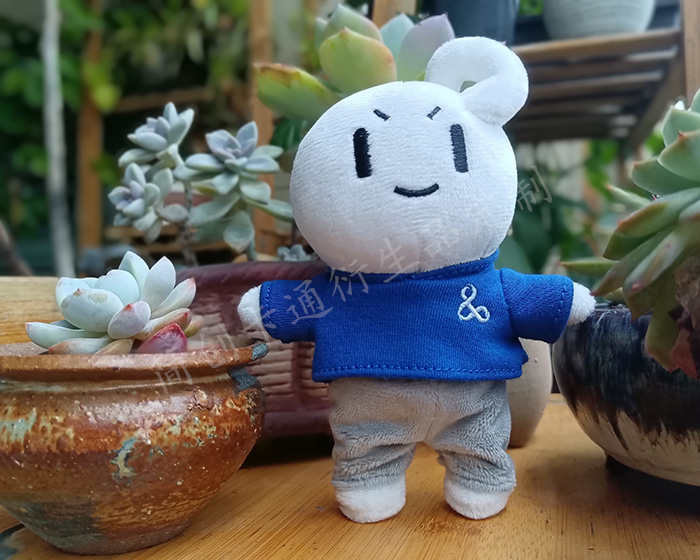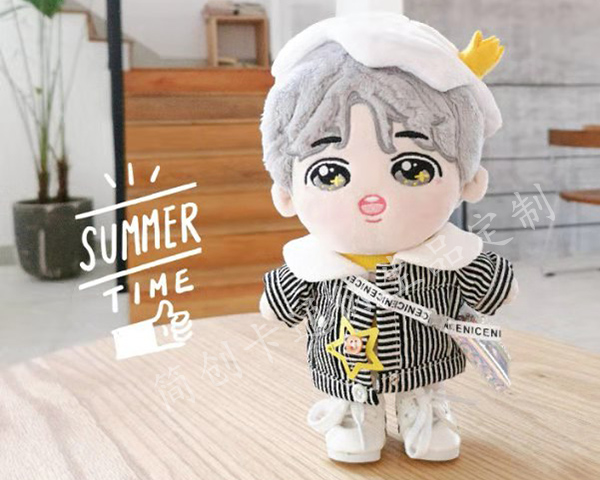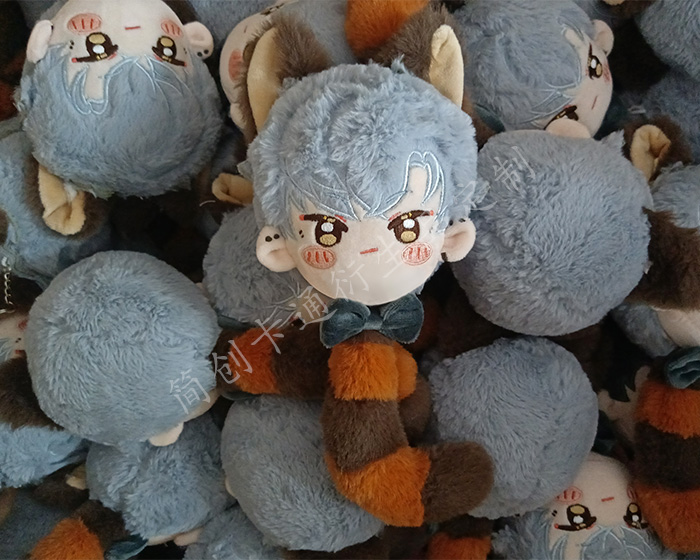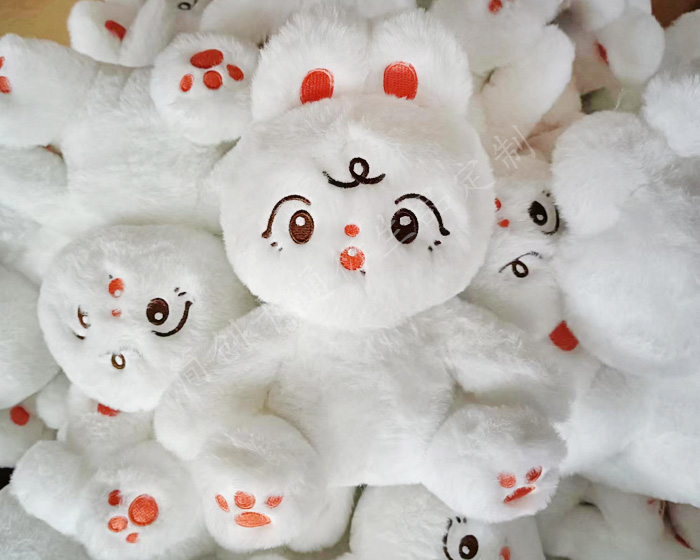


A custom plush product may remain in a brand's retail collection for several years. During that time, the original fabric supplier may discontinue a color, modify a material specification, or change the available product range.
For businesses working with a stuffed toy supplier, these changes can affect appearance, product consistency, and future replenishment orders.
Why Do Fabric Changes Matter?
A plush fabric specification includes more than its visible color.
Important characteristics may include fiber composition, pile length, surface texture, backing structure, stretch, and weight.
Two materials with nearly identical colors can behave differently during cutting, embroidery, sewing, and stuffing.
Replacing the fabric without reviewing these differences may change the finished plush toy.
1. Maintain Material Specifications
Brands planning repeat orders should retain records of the approved fabric wherever practical.
Useful information includes the original material reference, supplier code, color reference, and approved sample.
These records allow the manufacturer to identify the original requirements when a replenishment order is placed.
2. Evaluate Alternative Fabrics
If the original material is unavailable, the manufacturer may propose an alternative.
The replacement should be evaluated against the approved requirements rather than accepted solely because its color looks similar.
Buyers should consider:
-
Surface color under consistent lighting.
-
Pile length and density.
-
Hand feel and flexibility.
-
Fabric stretch and backing structure.
-
Embroidery compatibility.
-
Applicable material safety requirements.
3. Compare the Finished Sample
A fabric swatch comparison is useful, but it may not reveal how the replacement material behaves when sewn and stuffed.
For important changes, a representative prototype or material trial may be necessary.
The buyer should compare the revised product with the approved original sample.
4. Document Material Approval
| Review Item | Recommended Record |
|---|---|
| Original material | Reference code and approved sample |
| Replacement material | New code and specification |
| Color comparison | Approved reference and observations |
| Construction impact | Required sewing or pattern changes |
| Compliance impact | Relevant testing or documentation needs |
| Buyer approval | Confirmed revision and effective order |
5. Plan Repeat Orders Early
Businesses expecting future replenishment orders should discuss material continuity during initial sourcing.
For products with distinctive branded colors, early planning may help identify suitable materials or alternative sourcing options.
However, long-term fabric availability cannot be guaranteed without specific supply arrangements.
What Happens If a Replacement Is Not Acceptable?
If no suitable alternative is available, the buyer may need to revise the product, arrange a different material source, or reconsider the production schedule.
Any significant modification should be reviewed before bulk manufacturing.
Repeat Plush Manufacturing with JianChuang
JianChuang provides custom stuffed animal and plush merchandise manufacturing services for brands and business customers.
Buyers looking for a stuffed toy supplier for repeat OEM orders can discuss material specifications, production requirements, and replenishment planning for their products.
Discuss Your Repeat Plush Toy Order
Provide the existing product specification, approved sample reference, required quantity, and target delivery arrangements.
Explore JianChuang Plush ManufacturingFrequently Asked Questions
Can a discontinued plush fabric be replaced with a similar color?
Possibly, but color alone is insufficient. Texture, stretch, pile characteristics, and manufacturing behavior should also be reviewed.
Will using a replacement fabric require a new prototype?
It depends on the significance of the change and the product's requirements. A representative sample may be appropriate.
Can a manufacturer guarantee the same fabric indefinitely?
Material availability depends on the supply chain and any specific purchasing arrangements. Long-term continuity should be discussed explicitly.