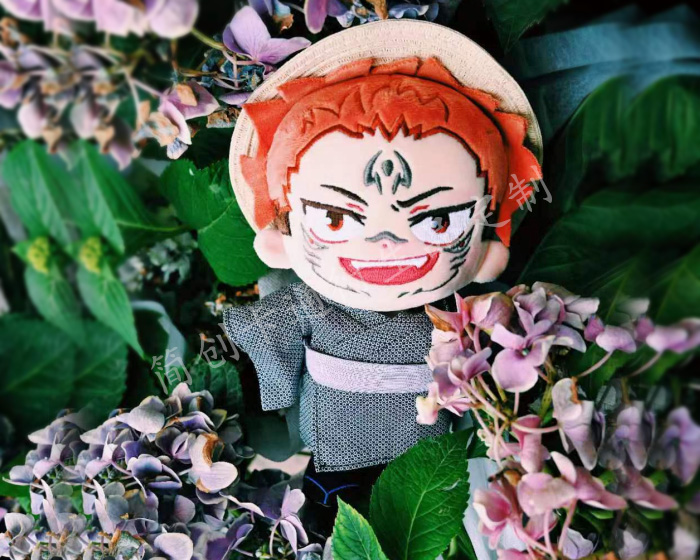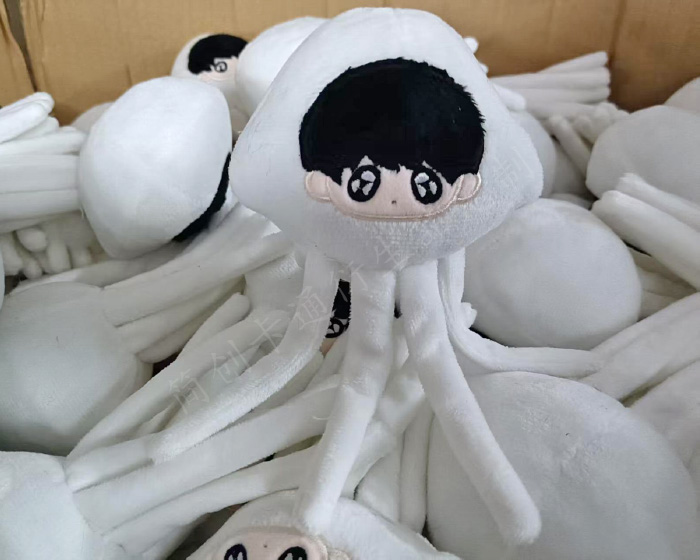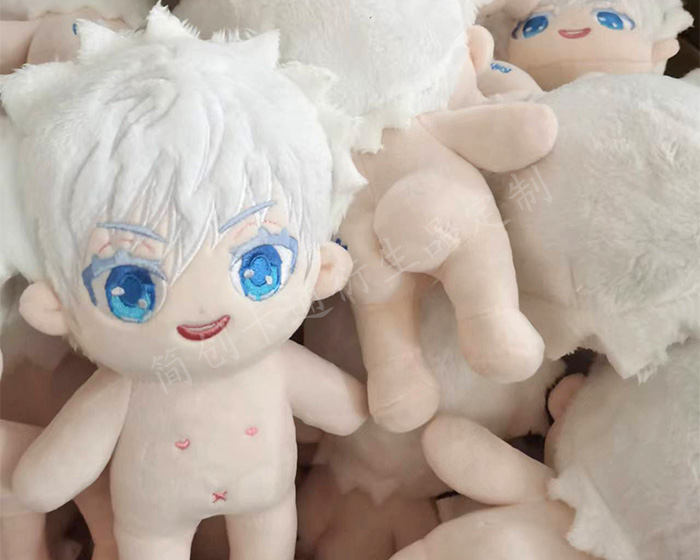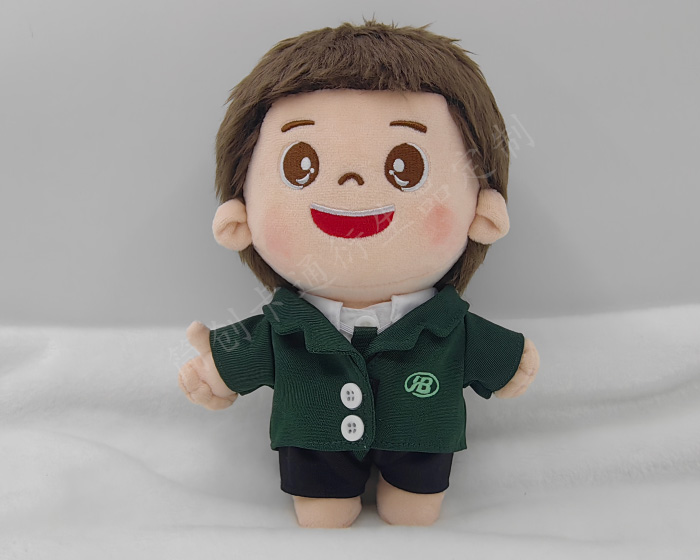


Fabric selection is an important part of custom plush toy development, but the direction of the fabric pile is often overlooked. Two pieces cut from the same plush fabric can look different when their fibers face opposite directions.
For brands working with plush toy manufacturers, understanding pile direction helps improve color consistency, surface texture, and the appearance of finished stuffed animals.
What Is Fabric Pile Direction?
Plush fabric typically contains raised fibers that create its soft surface. These fibers may naturally lean in a particular direction, commonly called the pile direction or fabric nap.
When the surface is brushed in one direction, it may feel smoother. Brushing against the pile can create a different texture or visual appearance.
The effect depends on fiber length, density, material composition, and finishing method.
Why Does Pile Direction Affect Color?
Plush fibers reflect light differently depending on their orientation.
As a result, one piece of fabric may appear lighter or darker than another even when both are cut from the same material roll.
This is particularly noticeable on some short-pile velvet materials and longer synthetic plush fabrics.
For branded merchandise, inconsistent pile direction can affect the appearance of a character's face, body, ears, or accessories.
How Should Plush Fabric Be Cut?
1. Establish a Cutting Direction
Before bulk cutting begins, the production team should identify the approved pile direction for each pattern piece.
Directional arrows can be added to cutting patterns to reduce mistakes.
2. Review the Complete Character
Not every component must necessarily follow the same orientation. Some designs intentionally use different directions to achieve a particular texture.
However, these decisions should be documented during sample development.
3. Consider Material Consumption
Directional cutting may reduce the flexibility of arranging pattern pieces on a fabric roll.
This can influence material utilization and finished product cost.
Buyers should understand that reducing fabric waste by rotating pattern pieces may not always be acceptable for appearance-sensitive products.
Typical Problems Caused by Incorrect Pile Direction
| Problem | Possible Cause | Recommended Check |
|---|---|---|
| Visible color difference | Opposing pile directions | Compare pieces under consistent lighting |
| Uneven surface texture | Different fiber orientations | Review the approved sample |
| Asymmetric facial appearance | Incorrect cutting direction | Check left and right pattern pieces |
| Inconsistent production batches | Missing cutting instructions | Confirm pattern and cutting documentation |
How Can Manufacturers Maintain Consistency?
A practical process includes checking the fabric roll before cutting, identifying the intended pile orientation, and inspecting representative finished components.
For large orders, consistent instructions help multiple production operators follow the same pattern requirements.
Quality inspectors should compare finished plush products under similar lighting and viewing conditions.
Custom Plush Toy Manufacturing with JianChuang
JianChuang works with brands, retailers, and original character creators on made-to-order plush merchandise.
As one of the available plush toy manufacturers for OEM and custom projects, JianChuang supports fabric selection, pattern development, prototype production, and customized manufacturing requirements.
Buyers can provide material references, character artwork, target dimensions, and appearance requirements for project review.
Develop Custom plush toys with JianChuang
Planning a custom stuffed animal, mascot, or plush character project? Share your artwork, material preferences, and estimated order quantity.
Explore Custom Plush ManufacturingFrequently Asked Questions
Does plush fabric always have a pile direction?
Not all textile materials show a strong directional effect. Some plush fabrics have a more noticeable pile direction than others.
Can incorrect pile direction make two pieces look different in color?
Yes. Fiber orientation can change the way light reflects from the surface, creating visible differences even within the same material batch.
Should pile direction be included in plush toy drawings?
Yes, when it affects the appearance or tactile qualities of the finished product. Direction markings can be included in production patterns and specifications.