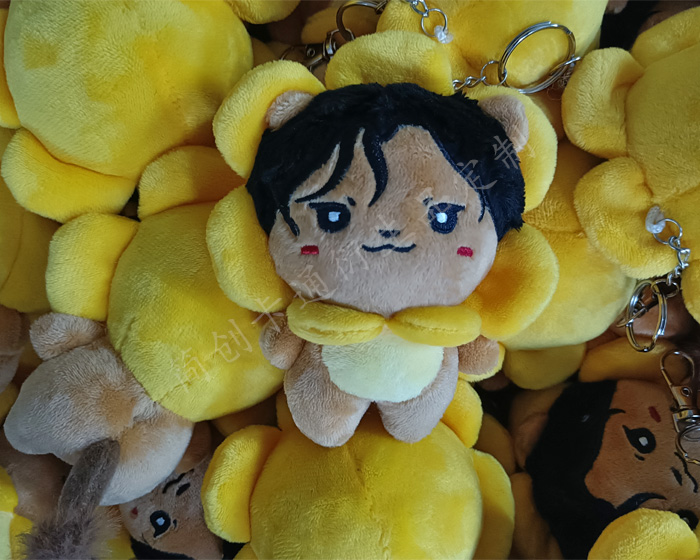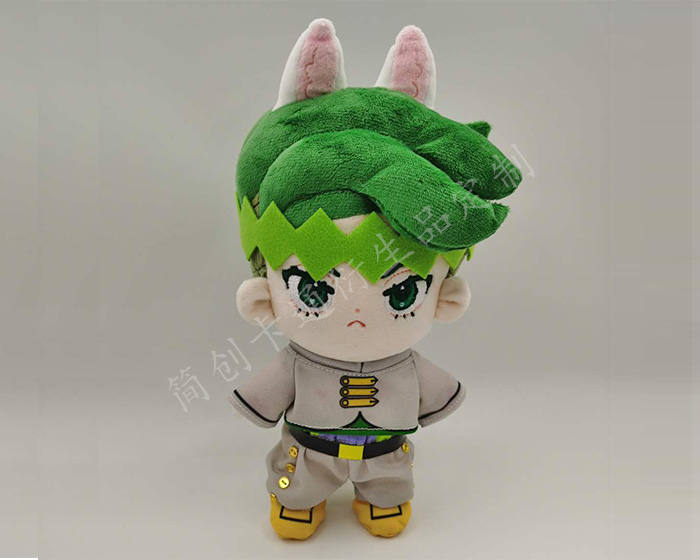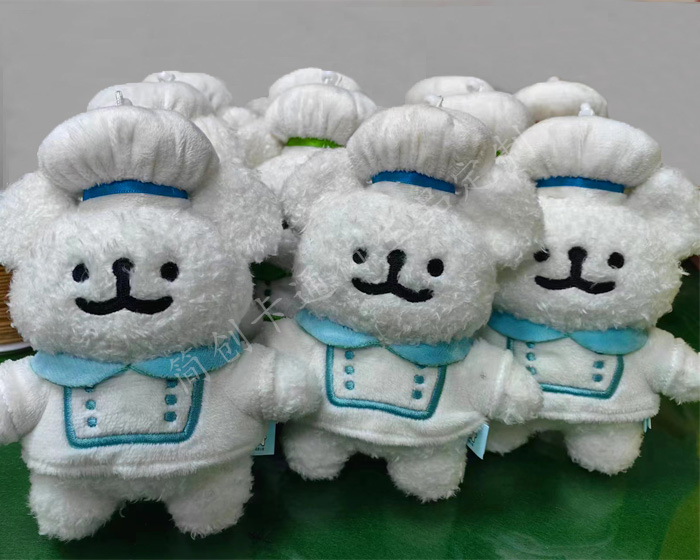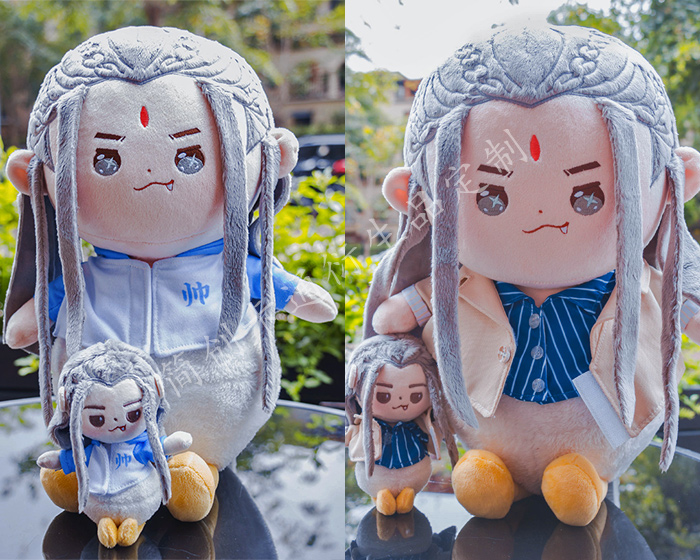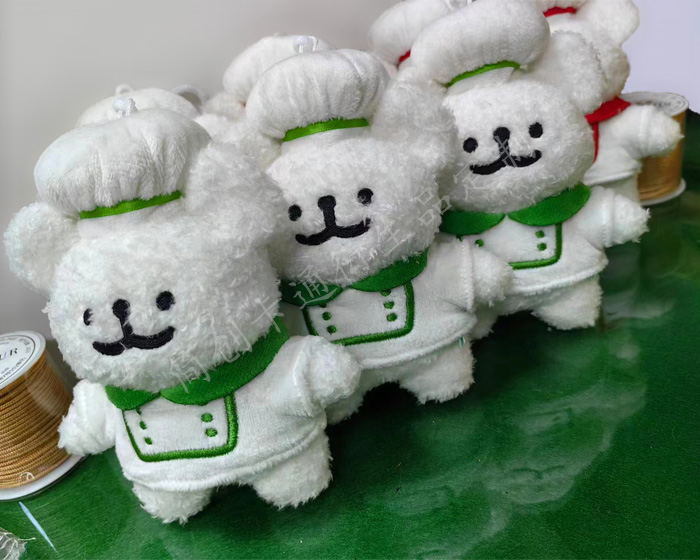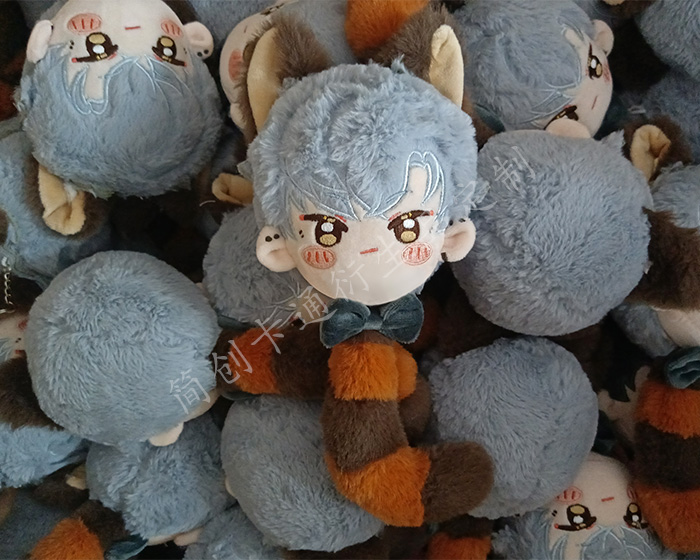


A custom plush toy may use only a few fabric colors, but an incorrect shade can change the appearance of the entire character. This is especially important for licensed merchandise, branded mascots and original IP collections, where color is part of the character's visual identity.
For international buyers, the challenge is that a digital image, a fabric swatch and a completed plush toy may not look exactly alike. Professional plush toy manufacturers need a practical approval process that connects the original artwork to the actual materials used in production.
1. Why Digital Color References Are Not Enough
Character artwork is usually created and reviewed on a screen. However, the color displayed by a monitor can be influenced by screen calibration, brightness and color settings.
Plush fabric also behaves differently from a flat digital image. Its surface may contain directional fibers that reflect light unevenly, making the same material appear darker or lighter from different viewing angles.
Therefore, sending an RGB value or a color reference alone does not guarantee that a finished toy will visually match the artwork.
2. Start with a Clear Color Reference
When submitting a design, buyers should identify the colors that are especially important to the character.
For example, a mascot may have a distinctive blue body, a cream-colored face and a dark embroidered nose. The body color could be central to brand recognition, while a small decorative detail might allow more flexibility.
Useful references include:
-
Original character artwork.
-
Specified brand colors or color reference systems.
-
Physical material swatches when available.
-
Previously approved product samples.
-
Notes identifying colors that must be closely matched.
These references help the manufacturer understand which differences matter most to the buyer.
3. Evaluate Fabric Under Consistent Lighting
Color judgments can vary under natural daylight, warm indoor lighting and other illumination conditions.
When reviewing fabric samples, use a consistent and appropriate light source. Avoid comparing one fabric sample in a bright office against a photograph taken in a dim workshop.
For projects requiring tighter control, buyers may agree on specific viewing conditions or an instrument-based color evaluation method.
However, measurements should complement rather than automatically replace approval of the finished plush appearance.
4. Understand the Effect of Pile Direction
Plush materials may have a visible nap or pile direction. A fabric can appear to change shade when the fibers are brushed in different directions.
Before rejecting a material as the wrong color, verify whether the apparent difference is caused by surface direction.
The sample should be evaluated in the orientation in which the fabric will appear on the finished product.
For animal plush toys with multiple body panels, cutting direction can also influence whether adjacent sections appear visually consistent.
5. Review Physical Swatches Before Bulk Purchasing
A physical swatch allows the buyer to examine the actual texture, color and pile characteristics of a proposed material.
The review should answer several questions:
-
Does the color sufficiently represent the original artwork?
-
Is the fabric texture appropriate for the character?
-
Does pile direction cause unacceptable visual differences?
-
Will the material work with nearby colors and embroidery?
-
Is the proposed material available for the intended order?
Once a material is approved, it is helpful to record its supplier identification, specification and approved reference.
6. What Happens When a Fabric Dye Lot Changes?
Large production orders and repeat orders may involve separate fabric manufacturing lots.
Even when the same product name and material specification are used, some color variation may occur between lots.
For this reason, an approved sample from an earlier order should not automatically be treated as proof that every future lot will match without review.
A plush toy supplier should clarify how material changes will be evaluated and when additional buyer approval is needed.
7. A Practical Fabric Color Approval Record
| Item | What to Record |
|---|---|
| Character area | Body, face, ears, clothing or accessory |
| Color reference | Artwork reference or approved swatch |
| Fabric specification | Material type, pile and texture |
| Review conditions | Agreed lighting and comparison method |
| Approval status | Approved, rejected or pending revision |
| Production reference | Material identifier and approved sample version |
A simple record can prevent confusion when several team members are involved in the same project.
8. Confirm the Finished Product, Not Just the Fabric
Even when individual swatches are approved, the colors may appear different once they are cut, sewn and combined with embroidery and filling.
Before mass production, the buyer should review a completed prototype under suitable conditions.
For brands exploring JianChuang's custom plush toy manufacturing services, original artwork, preferred fabric characteristics and color references can be submitted for project evaluation and sampling.
Frequently Asked Questions
Can a Pantone reference guarantee an exact plush fabric match?
No. A reference helps communicate the desired color, but fabric texture, dyeing, lighting and pile direction can influence the visible result. Physical approval remains important.
Should buyers approve each fabric color separately?
For colors that are important to the design, individual material approval can be useful. The assembled sample should also be reviewed because color relationships may change when fabrics are combined.
Do repeat orders need another color check?
A check may be necessary when a different fabric lot or replacement material is used, particularly for strict brand colors.
Conclusion
Effective fabric color approval depends on clear references, suitable viewing conditions and accurate documentation.
By approving both physical materials and the completed sample, buyers and plush toy manufacturers can reduce misunderstandings and establish a more reliable basis for bulk production.
Planning a Custom Plush Collection?
Share your artwork, color references, fabric preferences and estimated order quantity to discuss suitable material options.
Explore Plush Toy Manufacturing