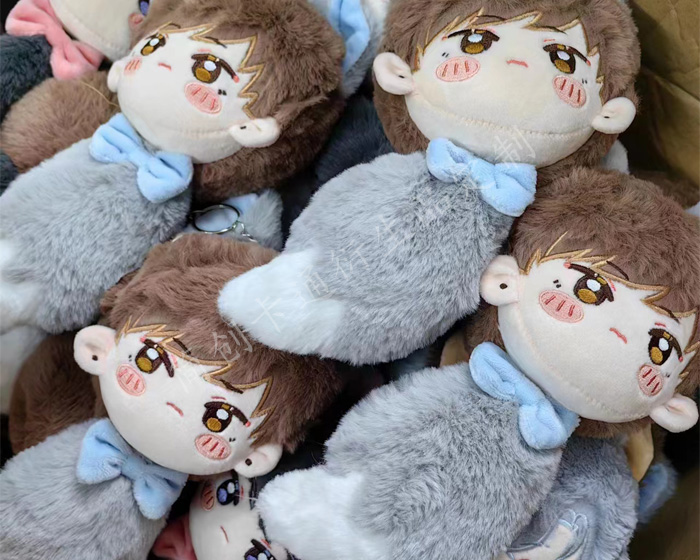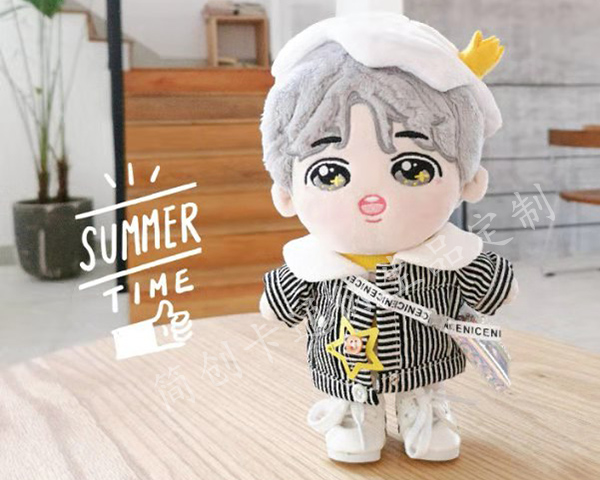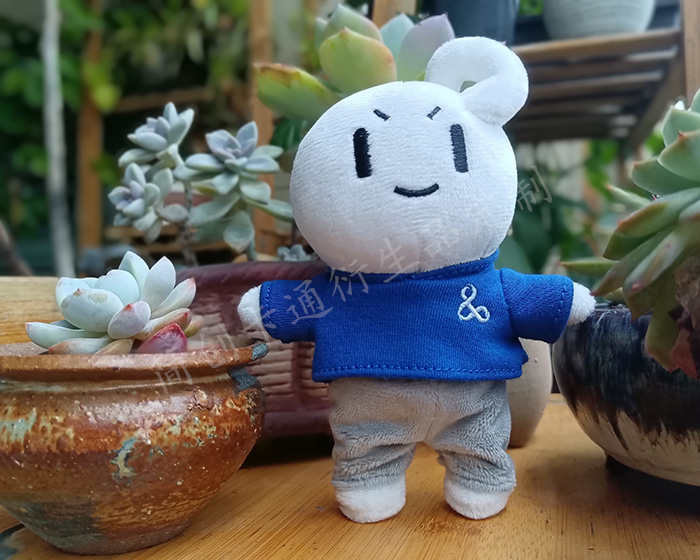


Consistency is a major challenge in custom stuffed toy manufacturing. Even when every unit uses the same pattern and fabric, variations in stuffing quantity and distribution can change the toy's shape, firmness, and overall appearance.
For brands ordering hundreds or thousands of custom plush products, maintaining a consistent feel is an important part of production quality.
Why Does Stuffing Consistency Matter?
The filling material supports the three-dimensional form of a stuffed toy.
It influences the roundness of the head, body shape, limb firmness, and the way the toy responds when handled.
If filling differs significantly between units, some toys may appear overinflated while others may look uneven or underfilled.
This is particularly noticeable when several identical products are displayed together in retail packaging.
What Causes Differences in Firmness?
1. Inconsistent Filling Weight
Different amounts of filling may produce noticeable differences in the same design.
Weight measurement can help control the process, although weight alone does not fully determine shape or firmness.
2. Uneven Distribution
Filling concentrated in the center of the toy may leave the arms, legs, or corners insufficiently supported.
Operators should distribute material according to the approved construction requirements.
3. Different Fiber Characteristics
Two batches of polyester fiberfill can differ in fiber structure, resilience, or bulk density.
Material substitutions should therefore be reviewed instead of assuming equivalent performance.
4. Differences in Fabric Stretch
The same filling quantity may create a different appearance when the fabric's stretch or construction changes.
Filling specifications should be evaluated together with the outer shell material.
How to Establish a Filling Standard
A useful manufacturing standard begins with an approved physical sample.
The product specification may identify target filling weights by body section, approved filling materials, and acceptable finished dimensions.
For designs where tactile firmness is especially important, buyers and manufacturers can agree on an appropriate comparison or measurement method.
Recommended Production Checks
| Inspection Item | Purpose |
|---|---|
| Overall product weight | Detect large differences in filling quantity |
| Head shape | Check roundness and symmetry |
| Body firmness | Compare against approved sample |
| Limbs and corners | Identify underfilled regions |
| Seam condition | Detect distortion caused by excessive filling |
| Finished dimensions | Verify size consistency |
How to Handle Different Plush Toy Sizes
Stuffing requirements should be established separately for different sizes.
A 10-inch plush animal and a 20-inch version may use related pattern designs, but their filling distribution cannot be determined simply by doubling the amount of material.
Each size needs its own approved sample and relevant manufacturing instructions.
What Should Buyers Request from Manufacturers?
Buyers should specify the intended softness, appearance, dimensions, and any special requirements for shape retention.
The manufacturer should then evaluate a practical production approach and confirm expectations through prototype approval.
OEM Stuffed Toy Manufacturing with JianChuang
JianChuang supports custom stuffed animal, plush doll, mascot, and soft merchandise development for commercial projects.
For businesses evaluating stuffed toy manufacturers for bulk production, the manufacturing process includes sample development and product-specific production requirements.
Plan Your Custom Stuffed Toy Order
Send your artwork, preferred dimensions, target feel, and expected order quantity to discuss production requirements.
Learn About JianChuang ManufacturingFrequently Asked Questions
Does using the same stuffing weight guarantee identical plush toys?
No. Fiber properties, filling distribution, fabric stretch, and sewing construction can affect finished shape and firmness.
Should every plush toy feel very soft?
Not necessarily. The appropriate firmness depends on the product design, purpose, and agreed specifications.
Can filling specifications be standardized before bulk production?
Yes. The approved sample, material requirements, target filling quantities, and inspection criteria can form the basis of production instructions.