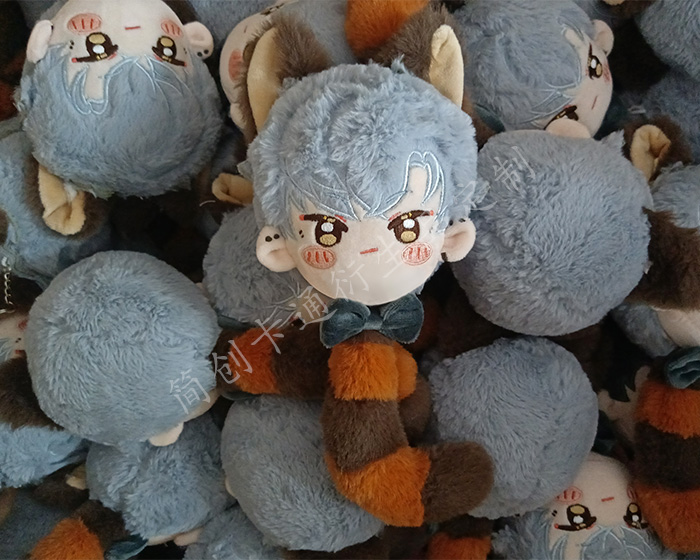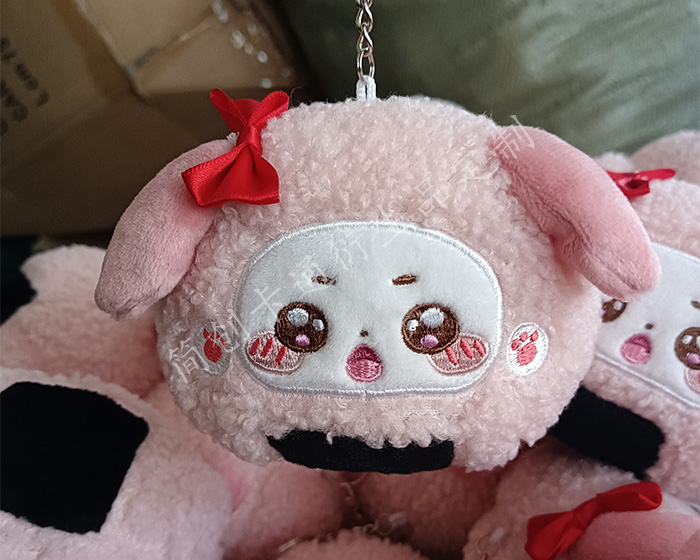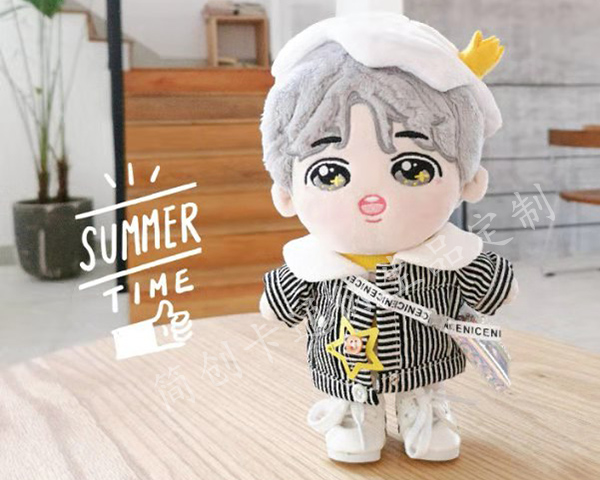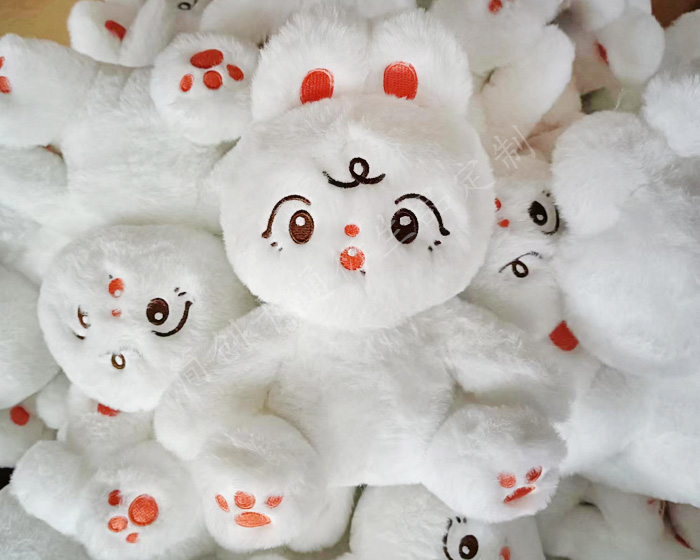


A custom soft toy may look attractive when it leaves the production line, but its long-term usability also depends on the strength of its sewn construction. Seams connect the fabric panels that form the toy's head, body, limbs, and decorative features.
For brands working with soft toy manufacturers, seam design should be considered during product development rather than only during final quality inspection.
Why Do Soft Toy Seams Fail?
Seam failures can occur for several reasons, including unsuitable stitch settings, inadequate seam allowance, excessive stuffing pressure, or concentrated pulling forces.
The location of a seam is also important. A straight seam along the body may experience different loading than a joint connecting a narrow arm to a large torso.
Understanding these differences helps manufacturers determine which parts require additional attention.
1. Choose a Suitable Seam Allowance
Seam allowance is the fabric width between the stitching line and the cut edge.
If the allowance is too narrow, the fabric may pull away from the stitches under load. Excessively large allowances, however, can create bulk inside small curved shapes.
The appropriate allowance depends on fabric type, panel geometry, sewing equipment, and product requirements.
2. Match Stitching to Fabric Properties
Plush fabrics may stretch differently along different directions.
Thread type, needle selection, stitch density, and machine settings should be compatible with the selected fabric.
For example, a highly elastic fabric may require different sewing conditions from a stable woven backing.
Incorrect machine settings can cause skipped stitches, puckering, or damage to the material.
3. Reinforce High-Stress Areas
Some parts of a plush toy receive more repeated loading than others.
Examples include:
-
Arm and leg attachment points.
-
Large ears and long tails.
-
Handles or hanging loops.
-
Removable accessory attachment points.
-
Seams close to highly stuffed regions.
Appropriate reinforcement may include adjusted seam construction, additional stitching, or changes to the pattern geometry.
The correct method should be selected according to the expected use and product safety requirements.
4. Control Stuffing Pressure
Overstuffing can increase tension along seams and distort the outer fabric.
Understuffing may create an uneven shape, but adding more filling is not necessarily the correct solution.
Production teams should establish the required shape and firmness during sample approval, then follow consistent filling instructions.
Common Seam Problems and Solutions
| Problem | Possible Cause | Action |
|---|---|---|
| Opening along a seam | Insufficient seam strength | Review seam construction and allowance |
| Puckered fabric | Unsuitable sewing tension | Adjust sewing settings and test |
| Loose limb attachment | Concentrated pulling forces | Review joint reinforcement |
| Stitches pulling through fabric | Material and seam incompatibility | Evaluate fabric backing and stitch design |
How Should Seam Quality Be Verified?
Inspection should include visible stitching quality and appropriate functional testing.
For products intended for children, relevant seam and attachment-strength requirements must be evaluated against the applicable regulations and standards for the destination market.
A visual inspection alone cannot demonstrate compliance with every product safety requirement.
Custom Soft Toy Manufacturing Support
JianChuang develops custom plush merchandise based on original designs, product specifications, and intended applications.
Businesses researching soft toy manufacturers for custom OEM production can explore JianChuang's services for pattern development, material selection, sampling, and bulk manufacturing.
Discuss Your Custom Soft Toy Project
Share your character artwork, preferred fabric, target size, and expected order quantity for a project-based manufacturing review.
Explore JianChuang Soft Toy ManufacturingFrequently Asked Questions
Does thicker thread always make a plush toy seam stronger?
No. Seam strength depends on fabric properties, thread compatibility, stitch construction, and joint design.
Which areas of a stuffed toy need special seam inspection?
Areas subjected to repeated pulling or concentrated loads, such as limbs, ears, tails, and attachment loops, may require additional attention.
Can seam durability be confirmed from a product photograph?
No. Photographs show appearance, but functional performance requires appropriate physical inspection and testing.