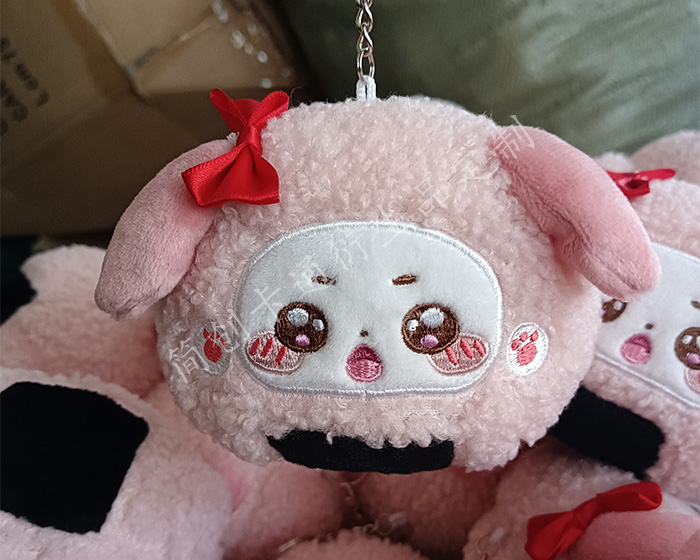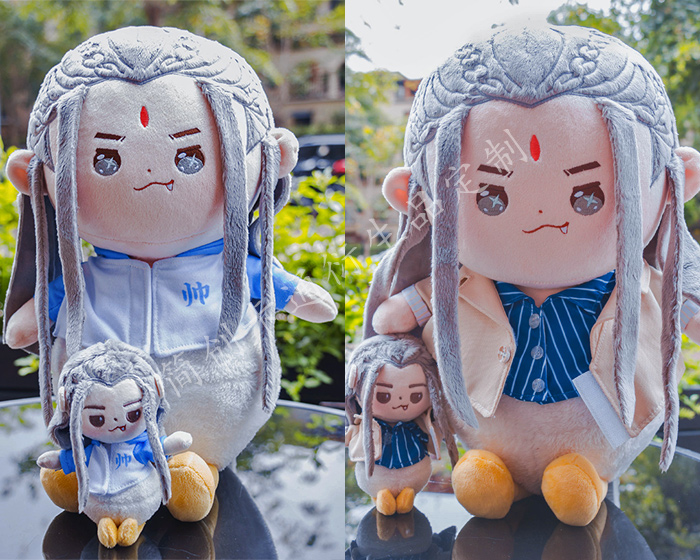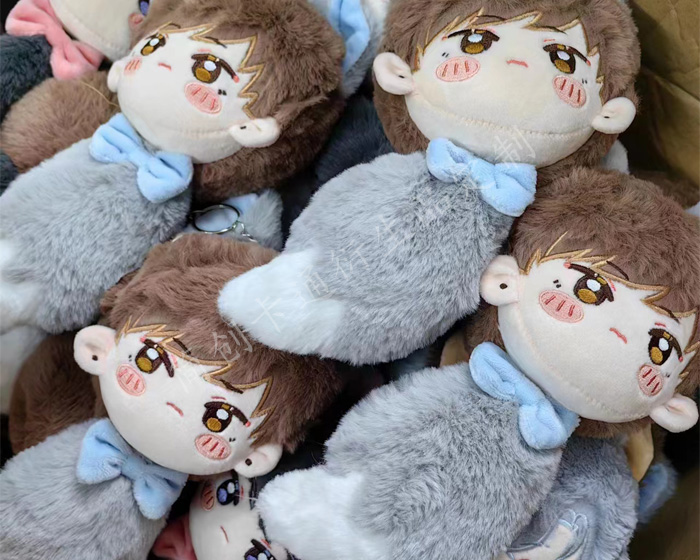


Softness is one of the first qualities buyers notice when handling a stuffed animal. Yet the same plush fabric that gives a toy its soft appearance can also create manufacturing challenges. Loose fibers, cut pile and surface shedding may affect how a finished product looks and feels.
For brands developing retail collections or licensed character merchandise, fabric shedding deserves attention before production begins. A stuffed animal manufacturer should evaluate the selected fabric, cutting method, sewing process and final finishing requirements rather than treating loose fibers as a packaging problem.
1. What Causes Fabric Shedding in plush toys?
Plush fabric is generally constructed with fibers or yarns forming a soft surface pile. The backing structure, fiber characteristics and manufacturing method influence how securely that pile is held.
Some loose fibers are generated when fabric is cut into individual pattern pieces. Other fibers may become loose during sewing, brushing or repeated handling.
These are not necessarily the same problem. Fibers left behind after cutting may be removable through appropriate finishing, while continued shedding from the fabric surface may indicate a material suitability issue.
2. Evaluate the Fabric Before Approving the Sample
Fabric selection should consider more than color and softness. Buyers can ask the manufacturer to assess how the chosen material behaves during cutting, rubbing and normal handling.
Important considerations include:
-
Surface pile length and density.
-
Backing fabric construction.
-
Fiber retention during handling.
-
Whether loose fibers remain after cutting.
-
Changes in appearance after repeated contact.
-
Suitability for the finished product's intended use.
For a long-haired animal plush, a certain amount of loose cut pile may be expected during production. However, persistent shedding from the finished fabric should be investigated separately.
3. How Cutting Methods Influence Loose Fibers
Cutting is one of the stages where loose fibers may be introduced. When the cutting tool passes through both the backing and surface pile, short pieces of fiber can remain attached to the pattern pieces.
The best cutting approach depends on fabric construction and production equipment. For some long-pile materials, controlling unnecessary damage to surface fibers can improve the appearance of seams and reduce loose cut pile.
After cutting, manufacturers can inspect the pieces and remove excess loose fibers using methods suitable for the material.
This does not eliminate the need to assess the fabric itself. A clean cutting process cannot correct poor pile retention in an unsuitable fabric.
4. Why Sewing and Turning Can Release Additional Fibers
Stuffed animal production normally involves joining fabric panels, turning the sewn shell and adding filling.
During these operations, the material is handled repeatedly. Long pile may become trapped in seams, while some loose fibers may transfer to adjacent fabric areas.
Factories should pay particular attention to:
-
Seams around ears, paws and tails.
-
Areas containing several fabric layers.
-
Cut edges and sewing allowances.
-
Turning openings and final closure seams.
-
Finishing methods used after stuffing.
Careful handling and appropriate finishing can improve appearance, but finishing must not weaken seams or damage the fabric backing.
5. How to Inspect a Finished Plush Animal
Visual inspection alone may not show whether a fabric continues to shed during handling.
Depending on product requirements, buyers and manufacturers may agree on a handling or rubbing evaluation using a defined method. The assessment can compare the approved sample with representative production units.
Useful inspection questions include:
-
Are loose fibers visible on the finished product?
-
Does routine handling release additional fibers?
-
Does brushing alter the intended surface appearance?
-
Are some colors or fabric panels affected more than others?
-
Has the production fabric changed from the approved sample?
Any acceptance criteria should be agreed upon before bulk manufacturing. There is no single universal shedding limit appropriate for every plush fabric and product category.
6. Preventing Problems in Repeat Production
A fabric that performs well during initial sampling may not behave identically when a different material batch is supplied.
For repeat orders, manufacturers should confirm the relevant material specifications and compare replacement fabrics with approved references.
If a significant change is observed, a new sample or additional material evaluation may be appropriate before production continues.
Buyers working with JianChuang, a custom stuffed animal manufacturer, can discuss fabric choices, character designs and production requirements during the sampling stage. Specifying surface appearance expectations early helps make the discussion more practical.
7. Questions to Ask Plush Animal Manufacturers
-
What fabric is proposed for the design?
-
Does the selected material produce loose fibers during cutting?
-
How are finished plush surfaces cleaned and inspected?
-
Can the sample be evaluated under an agreed handling method?
-
What happens if the material changes before a repeat order?
Frequently Asked Questions
Is some loose fiber normal after cutting plush fabric?
Some cut fibers may remain during production, particularly with longer-pile fabrics. The important distinction is whether loose cutting fibers can be appropriately removed or the material continues to shed during use.
Does shorter pile always mean less shedding?
Not necessarily. Pile length is only one factor. Fabric construction, fiber retention and finishing also influence shedding behavior.
Can washing eliminate fabric shedding?
Washing should not be treated as a universal solution. It may affect the fabric, filling, embroidery or accessories, and should only be considered where the product and care instructions support it.
Conclusion
Controlling shedding in custom stuffed animals starts with choosing a suitable fabric and continues through cutting, sewing, finishing and inspection.
For brands sourcing custom plush animals, discussing fiber retention and finished-surface expectations with the manufacturer during sampling can help prevent avoidable quality concerns in bulk orders.
Developing a custom stuffed animal?
Share your artwork, target dimensions, fabric preferences and estimated order quantity to discuss a suitable manufacturing approach.
Explore Custom Plush Manufacturing