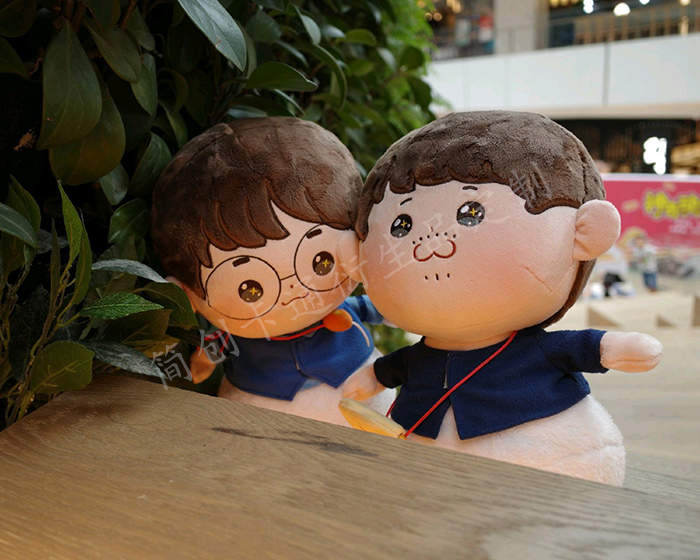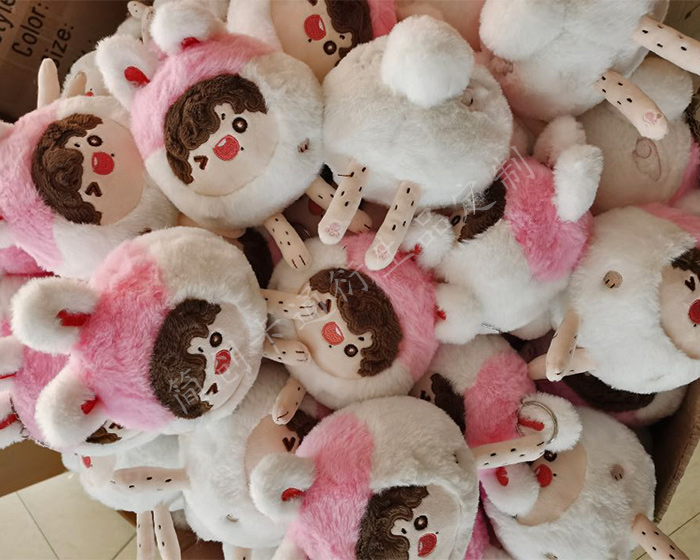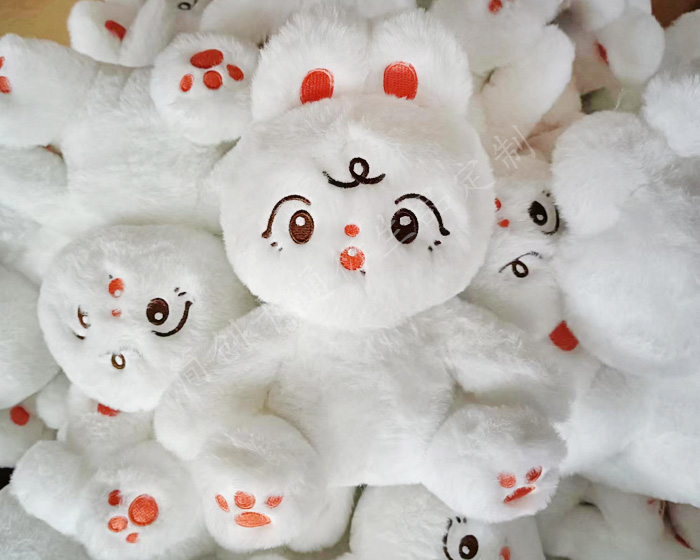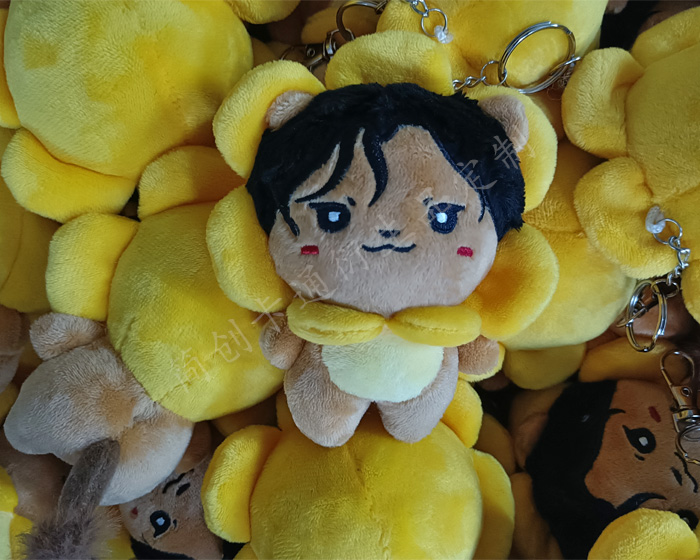


A custom stuffed animal can look balanced in a two-dimensional illustration but behave differently after being manufactured as a soft three-dimensional product.
Some designs are intended to sit on a shelf, while others should remain upright or rest naturally on four legs. For a stuffed animal manufacturer, achieving the intended posture requires attention to geometry, weight distribution, filling, and construction.
Why Do Stuffed Animals Lose Their Intended Posture?
Stuffed animals are made from flexible materials that respond to gravity and external forces.
A large head, narrow feet, or rounded lower body may cause the product to tilt or fall over.
The problem may also occur when the filling distribution differs from the approved prototype.
Therefore, posture should be treated as a defined product requirement rather than an assumed property of the design.
1. Understand the Center of Gravity
The center of gravity affects how a stuffed animal balances on a surface.
For a toy intended to stand freely, its weight distribution and the contact area beneath it must support a stable position.
Large heads or decorative features may shift the balance and require adjustments to the overall structure.
2. Design a Suitable Sitting Base
Sitting plush toys often rely on the lower body, hips, and legs to create a stable contact area.
An overly rounded base may cause the toy to roll backward or sideways.
Pattern changes and controlled filling can help achieve the intended sitting posture.
3. Evaluate Foot and Leg Geometry
Standing designs need suitable support from their feet or legs.
Foot width, leg position, body proportions, and the softness of the materials all influence stability.
Not every character design can stand independently without structural modifications or external support.
4. Adjust Filling Distribution
Filling influences the firmness and shape of the toy.
Excessive stuffing can round the lower surface, while inadequate filling may cause structural sagging.
The correct distribution should be established using a representative prototype.
5. Consider Additional Support Carefully
Some designs may benefit from structural support or a separate display accessory.
However, support components must be compatible with the toy's intended use, safety requirements, and construction.
For products intended for young children, potentially hazardous internal components or detachable parts require particular attention.
Posture Design Comparison
| Design | Primary Challenge | Evaluation |
|---|---|---|
| Sitting teddy bear | Rounded lower body | Base contact and center of gravity |
| Standing character | High center of gravity | Foot geometry and support |
| Four-legged animal | Uneven leg positions | Contact and balance |
| Large-head mascot | Forward or sideways tilt | Head weight and body proportions |
How Should Posture Be Tested?
The prototype should be placed on an appropriate level surface and evaluated from multiple directions.
Buyers should confirm whether the product is required to stand independently, sit without support, or simply maintain a recognizable shape while resting.
These requirements should be documented before approving the final sample.
The testing method should reflect the intended use rather than relying on a single carefully arranged product photograph.
custom stuffed animal Manufacturing with JianChuang
JianChuang develops custom stuffed animals, original character plush toys, branded mascots, and related soft merchandise.
Brands seeking a custom stuffed animal manufacturer can discuss body proportions, pattern development, prototype approval, and manufacturing requirements for their designs.
Bring Your Stuffed Animal Design to Life
Share your animal illustration, preferred dimensions, intended posture, and estimated production quantity.
Explore JianChuang Stuffed Animal ManufacturingFrequently Asked Questions
Can every custom stuffed animal be designed to stand?
Not necessarily. Feasibility depends on body proportions, materials, size, balance, and any permitted structural support.
Does additional stuffing make a plush animal more stable?
Not automatically. Overstuffing may distort the contact surface and reduce stability in some designs.
Should sitting and standing ability be included in sample approval?
Yes, when posture is an important product requirement. Define the intended position and evaluate it on the physical prototype.