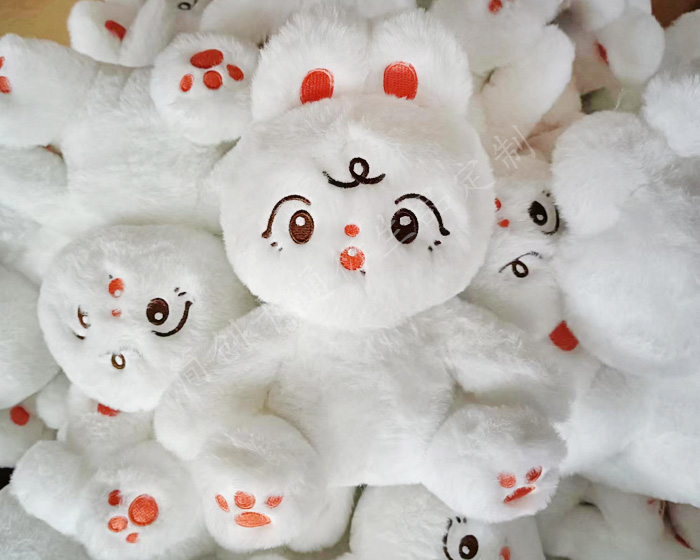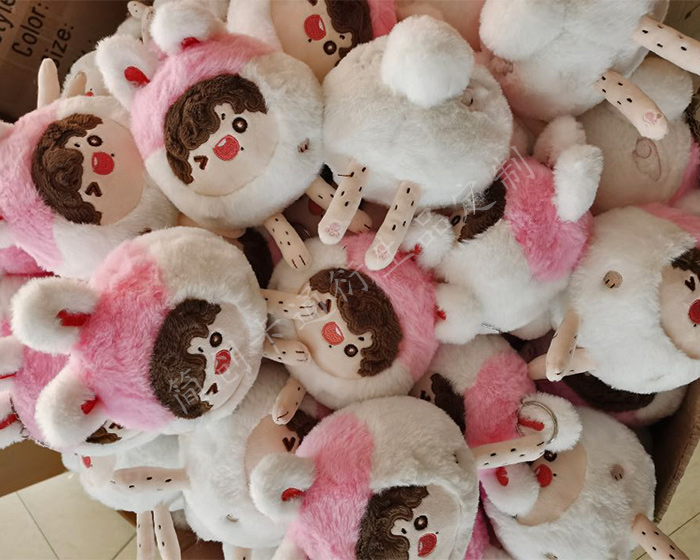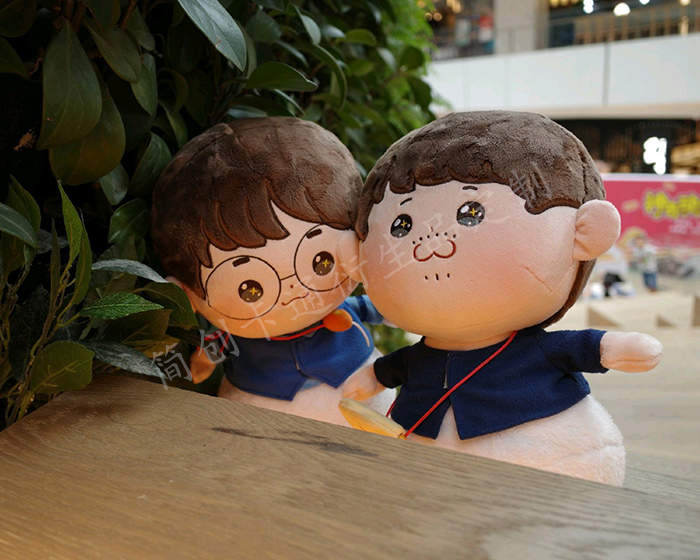


Big stuffed dolls can turn a brand mascot, original character or licensed IP into a memorable physical product. They are used in retail collections, promotional campaigns, corporate gifting and entertainment merchandise.
However, successful branded plush manufacturing requires more than simply enlarging a character illustration. Product developers must consider visual recognition, fabric selection, embroidery, packaging and repeatable production quality.
1. Match the Plush to the Brand Objective
Start by defining the commercial purpose of the product. A plush toy intended for retail sales may prioritize softness, shelf presentation and perceived value. A promotional mascot may focus on brand visibility and recognizable character features.
Understanding the product's role helps determine size, materials, accessories and packaging requirements.
2. Translate Brand Identity into a Soft Character
Original artwork often includes sharp angles, thin outlines and complex details that are difficult to reproduce directly in fabric.
Designers should identify the character's most recognizable features, such as its eyes, hairstyle, colors, clothing or signature accessories.
These features should remain visible even when simplified for plush production.
3. Consider Visibility at Multiple Distances
A branded plush doll must work both as a close-up product and as a recognizable display item.
Large eyes, distinct color blocks and clear silhouettes can improve recognition. Very small embroidery details may be difficult to see on an oversized product.
Review the prototype from several distances to confirm that the character remains recognizable.
4. Select Branding Details That Last
Branding can be incorporated through embroidered logos, woven labels, printed fabric, clothing accessories and packaging.
| Branding Method | Typical Application |
|---|---|
| Embroidery | Character faces, logos and decorative details |
| Woven labels | Brand identification and product information |
| Printed fabric | Patterns, clothing and detailed graphics |
| Custom packaging | Retail presentation and promotional campaigns |
The best method depends on the desired appearance, fabric type, order quantity and durability requirements.
5. Build a Collection Without Duplicating Development Work
Brands often want several characters or multiple sizes within one plush collection. Using consistent fabrics, labeling systems and packaging formats can simplify purchasing and production planning.
However, each unique character may still require its own pattern development and sample approval.
6. Plan Launch Quantities and Packaging Together
Large plush products occupy significant warehouse and shipping space. Before production, estimate order quantities, retail carton dimensions and delivery schedules.
For promotional campaigns, coordinate manufacturing lead times with the event or product launch date. Confirm all production milestones directly with the supplier.
Work with a custom plush doll Manufacturer
JianChuang manufactures custom plush dolls and stuffed animals for brands, original creators and IP merchandise projects.
Our custom plush doll manufacturing services support artwork review, sample development, embroidery and bulk production.
Frequently Asked Questions
Can a company turn its mascot into a stuffed doll?
Yes. A custom plush manufacturer can evaluate the mascot artwork and develop patterns, embroidery and fabric specifications for a physical sample.
Can branded plush dolls include custom logos?
Yes. Common options include embroidery, woven labels, printed clothing and branded packaging.
What should a brand prepare before requesting a quote?
Provide artwork, intended dimensions, target quantity, branding requirements, packaging preferences and destination market.
Manufacture Custom Plush Merchandise
Turn your brand mascot or original IP into a custom plush collection.
Discuss Your Custom Plush Doll Project