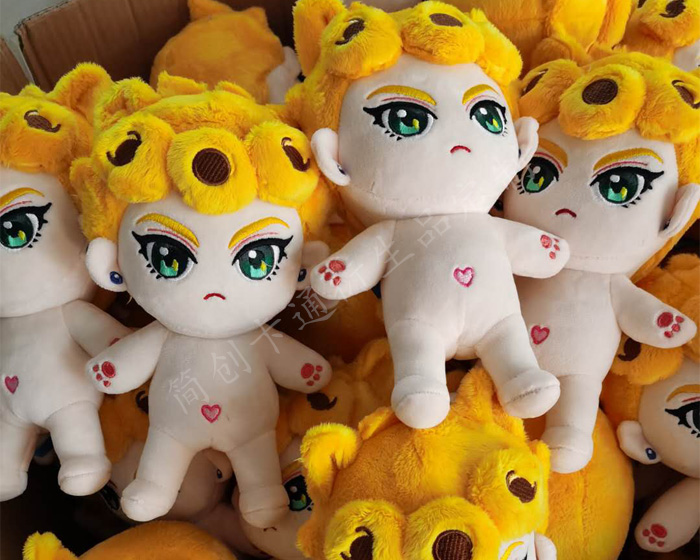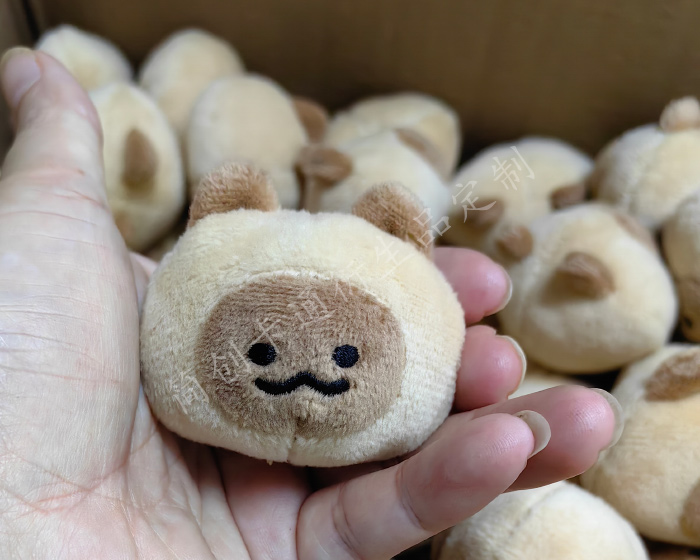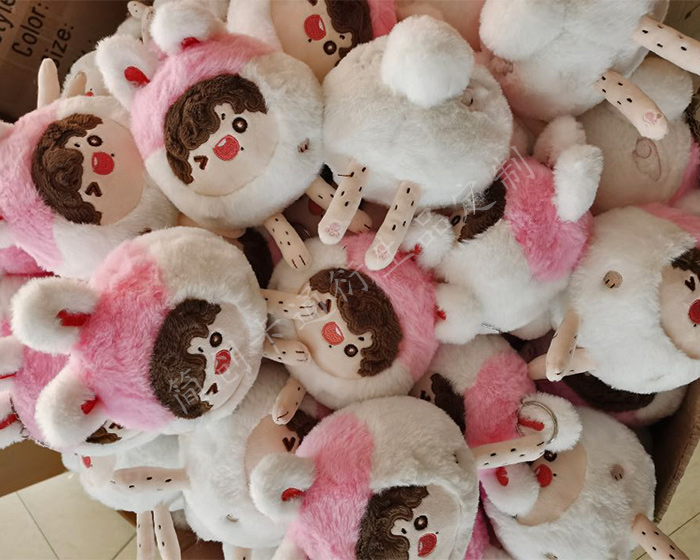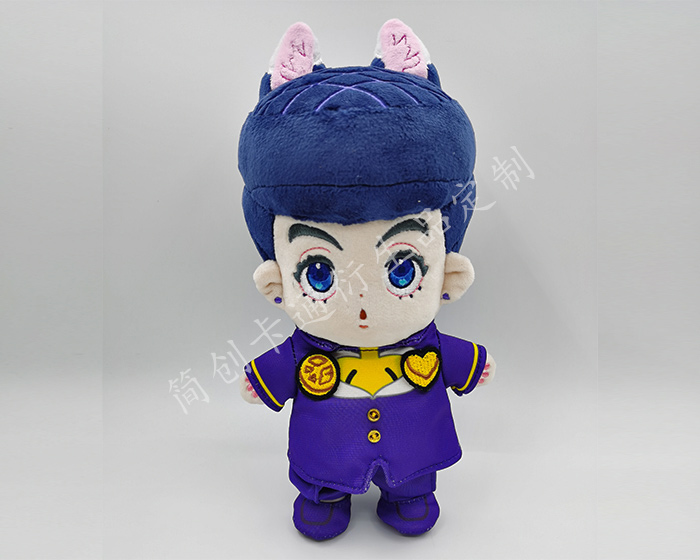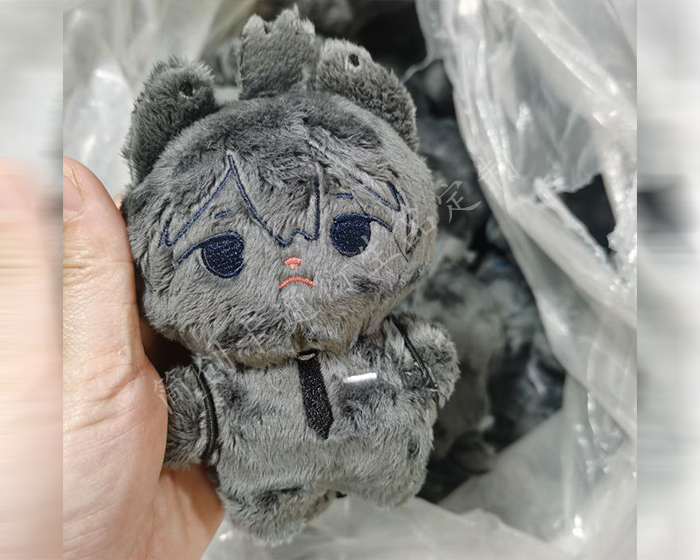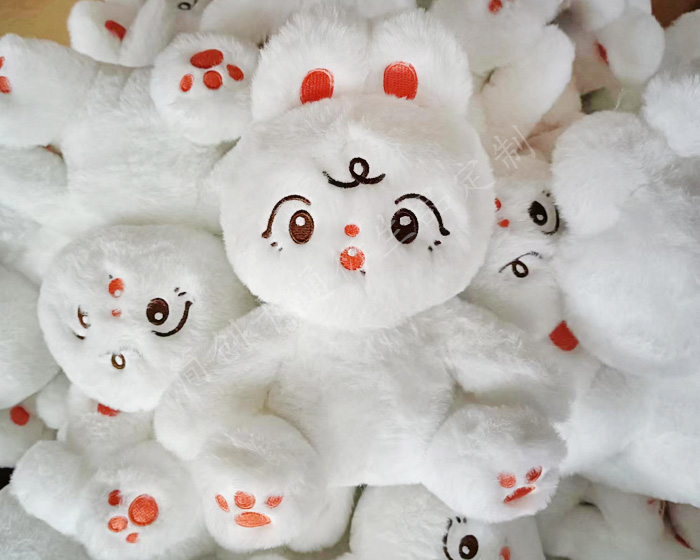


Ordering bulk plush toys involves more than choosing the designs and quantities. Buyers also need to decide what the customer will purchase: one toy at a time, or a complete set containing several characters.
This decision affects the sales forecast, packaging specification, warehouse handling, and the amount of inventory tied to slower-selling designs. It should be made before the purchase order is finalized.
Define the Sellable Unit First
A sellable unit is the product offered to the final customer. Three characters can become three separate products, one three-piece set, or a combination of individual items and sets.
These arrangements are not interchangeable. A set may need a shared package and its own product identifier. Individually sold toys may need separate labels and packaging. Ask the supplier to quote the intended sales format explicitly.
Compare the Two Models
| Buying Consideration | Individual Toys | Prepacked Sets |
|---|---|---|
| Customer choice | Customers select preferred characters | Customers purchase the defined collection |
| Demand planning | Quantities can reflect demand by character | Component demand follows the set ratio |
| Packaging | Separate packaging may be needed | Shared packaging must accommodate every item |
| Inventory handling | Each design is managed separately | Complete sets must remain available |
Test the Demand Assumption
Imagine a collection with three characters. Your forecast assigns 50% of demand to Character A, 30% to Character B, and 20% to Character C. Ordering equal quantities for individual sales could leave extra stock of the less popular designs.
A fixed three-piece set creates a different proposition: customers must value the collection as a whole. The set should therefore have a reason to exist, such as a complete story, a coordinated gift presentation, or an activity involving all three toys.
This is a planning example, not a prediction that bundles will outperform individual products.
Include the Cost of Building and Maintaining Sets
Compare packaging materials, assembly work, product identification, carton dimensions, and warehouse handling. If sets are assembled after delivery, include that labor in the purchasing calculation.
Also define how incomplete or damaged sets will be handled. Replacing one component, opening a package, or returning the full set can create different operating costs depending on the sales channel.
What Should the Purchase Order Specify?
-
The quantity of each design and color.
-
The number and composition of each retail set.
-
Individual and shared packaging requirements.
-
Label and product identifier placement.
-
Carton packing instructions and inspection references.
Review JianChuang’s bulk plush toys product collection when planning your assortment. Confirm minimum quantities by design and packaging configuration rather than assuming a combined order total applies to every variation.
Frequently Asked Questions
Can the same toys be sold individually and as a set?
Yes, if the packaging, inventory records, and order quantities support both formats. Confirm the additional preparation required.
Does a product collection page mean the toys are ready to ship?
Availability, customization scope, quantities, and delivery timing should be confirmed for the specific order.