

Character merchandise has become an important part of branding, entertainment, gaming and collectible product development.
Many designers and IP owners have original characters that they want to transform into physical plush toys. However, turning an illustration into a manufacturable product requires more than simply copying the artwork onto fabric.
A professional custom plush toy maker needs to understand both the visual design and the practical requirements of textile manufacturing.
Step 1: Prepare Your Character Design
The first step is to prepare clear reference materials.
Ideally, the artwork should include:
-
Front-view character artwork.
-
Side-view and back-view references.
-
Character proportions and important dimensions.
-
Color references.
-
Facial expression details.
-
Clothing and accessory specifications.
If only one illustration is available, additional design interpretation may be necessary before pattern development.
Step 2: Convert the Illustration Into a Three-Dimensional Structure
A plush toy is a three-dimensional object.
The manufacturer needs to consider how different parts connect, how the fabric stretches and how filling affects the final shape.
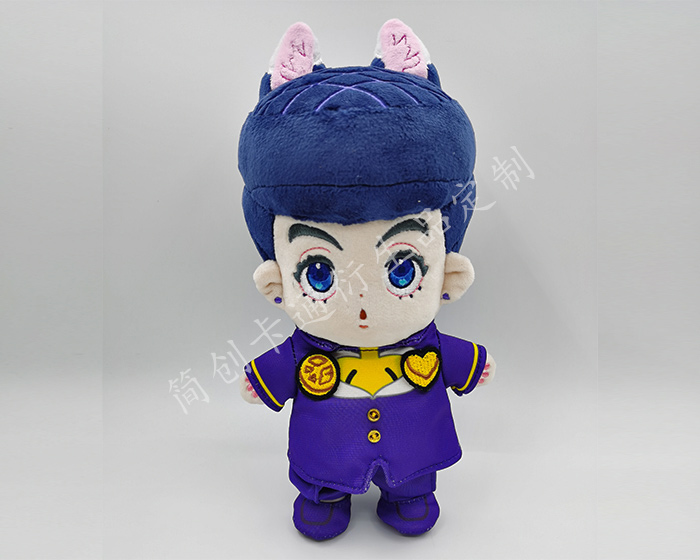
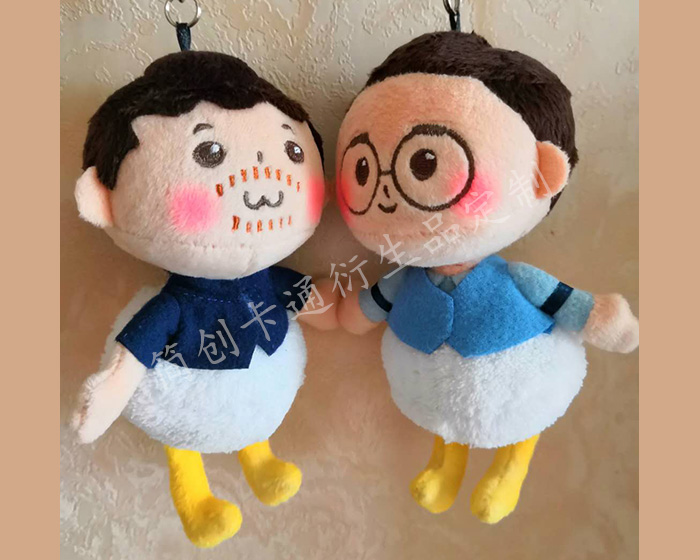
For example, a character with a large head and small body may require a specially adjusted pattern to maintain the intended proportions.
Ears, tails, hands, feet and other distinctive features may also need individual construction solutions.
Step 3: Select Appropriate Materials
Fabric selection should reflect the character's appearance.
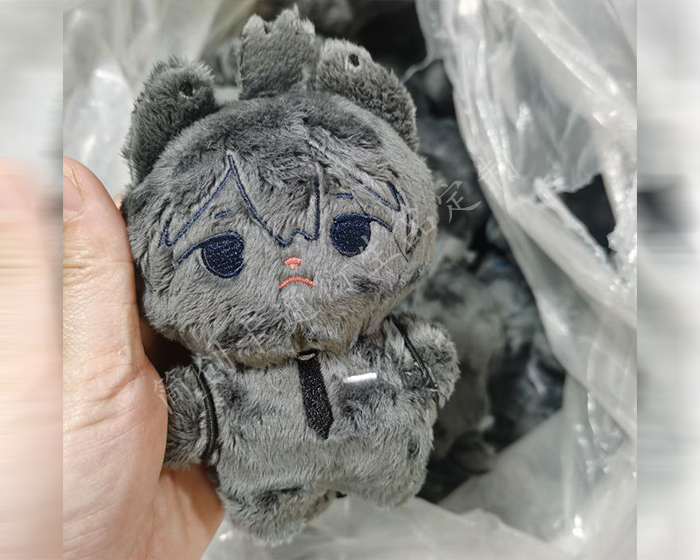
Short-pile fabrics may work well for clean character shapes, while longer-pile fabrics can create a softer and fluffier appearance.
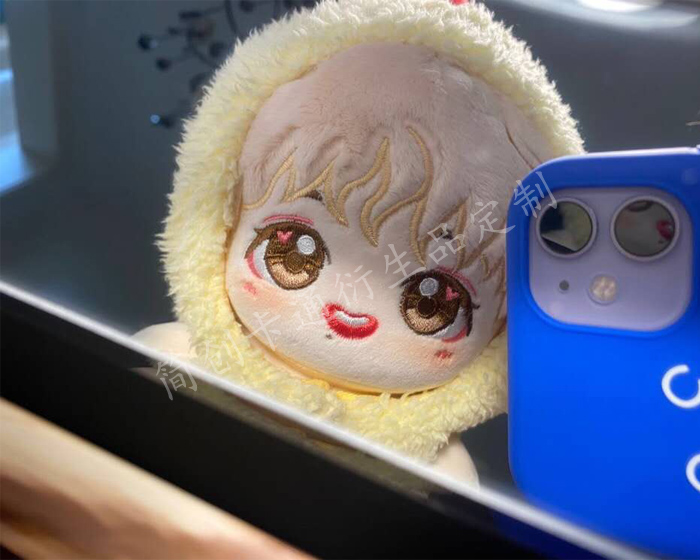
Embroidery is commonly used for eyes, mouths, decorative patterns and other character details.
The material and workmanship should be evaluated together rather than separately.
Step 4: Develop and Review the Prototype
The first sample provides an opportunity to evaluate the actual product.
Buyers should review:
-
Overall silhouette.
-
Head and body proportions.
-
Facial expression.
-
Color consistency.
-
Fabric texture.
-
Stitching and filling.
-
Accessories and decorative details.
Clear feedback helps the development team understand what needs to be adjusted.
Step 5: Approve the Sample Before Mass Production
Once the prototype meets the agreed requirements, the final sample and specifications should be confirmed.
These become the reference for subsequent manufacturing.
For businesses planning larger quantities, this step is particularly important because it establishes a consistent product standard.
Choosing the Right Manufacturing Partner
JianChuang works with brands, designers and IP owners developing original plush characters and customized merchandise.
From artwork assessment to sample development and bulk production, the company provides OEM manufacturing support for different types of plush products.
If you are looking for a custom plush toy maker, visit JianChuang's official website to explore its manufacturing services.