

Choosing among plush toy manufacturers can be challenging, especially when you are developing a new product line or sourcing custom merchandise for an established brand.
A professional manufacturer should offer more than production capacity. Design development, sampling, material selection, quality management, and communication all influence the success of a project.
1. Look for Relevant Manufacturing Experience
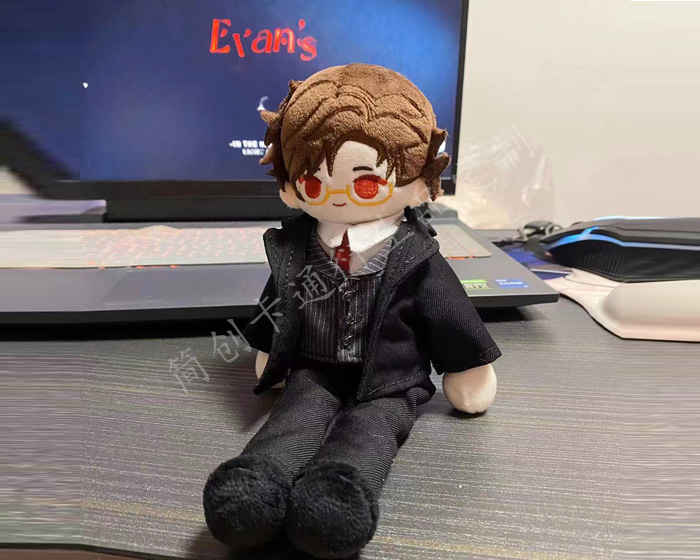
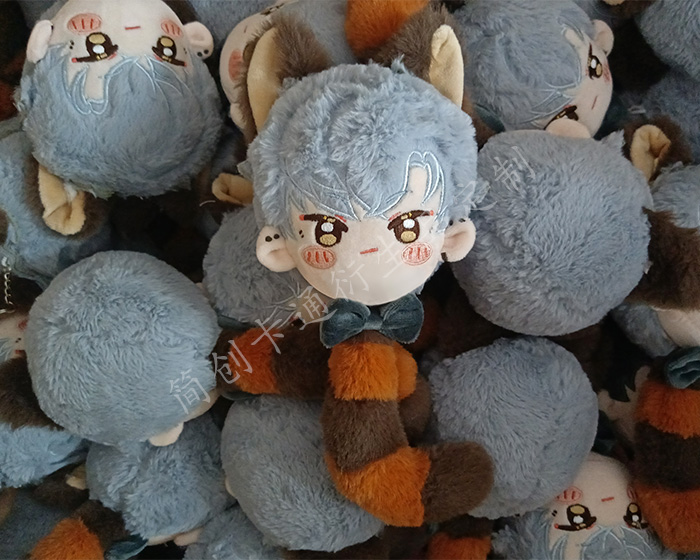
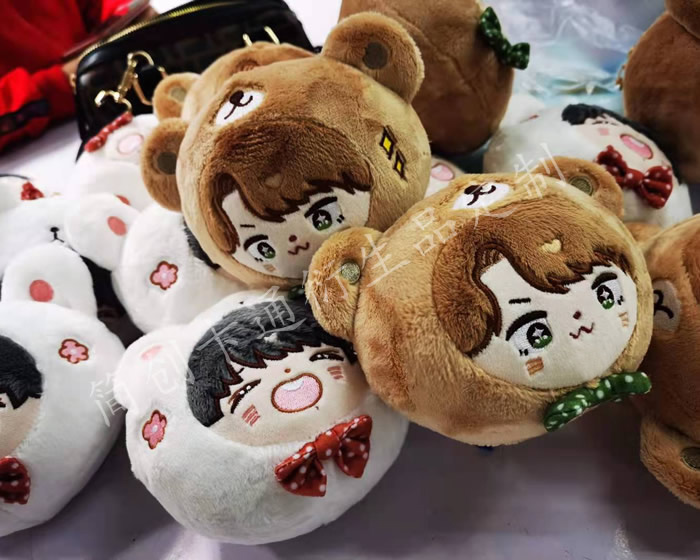
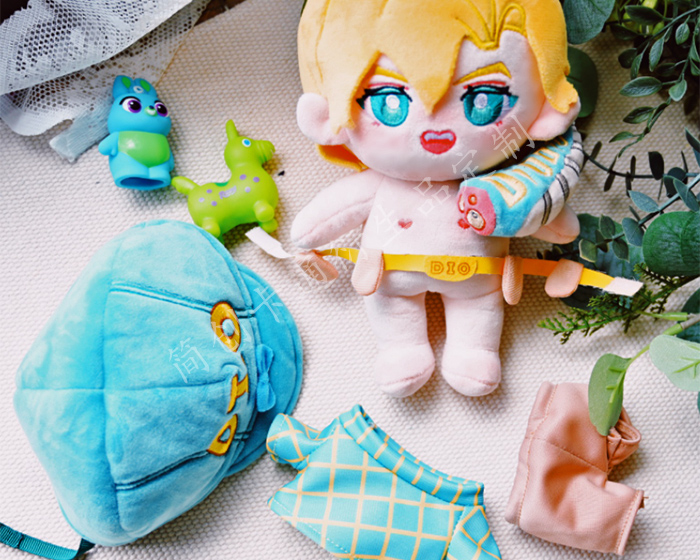
Different plush products require different construction methods. A simple animal plush may have relatively straightforward shapes, while a character doll with complex hair, embroidered facial features, clothing, and accessories requires more detailed development.
Review examples that resemble your intended product. Ask how the manufacturer handles complicated shapes, small decorative details, and special fabric requirements.
Relevant experience is more useful than a general claim of manufacturing expertise.
2. Assess Design-to-Production Support
Some buyers already have complete technical specifications. Others have only an illustration or an early concept.
A capable plush toy manufacturer should be able to clarify what information is needed to begin development and explain how the design will be translated into a physical sample.
Useful reference materials include front, side, and back views, target dimensions, color references, embroidery details, and accessory requirements.
3. Understand Material Selection
Fabric influences appearance, softness, durability, and cost. Different pile lengths, textures, and fabric weights can produce very different results.
Filling materials, thread colors, embroidery techniques, and decorative components also affect the finished product.
Request material recommendations based on the intended design, target market, budget, and use case.
4. Evaluate Quality Control
Ask how product specifications are documented and how production consistency is maintained.
A practical quality management plan should define the approved sample, acceptable dimensions, stitching expectations, appearance standards, packaging requirements, and inspection procedures.
For products intended for children or regulated markets, clarify the applicable testing requirements before production.
5. Compare Production and Commercial Terms
A supplier quotation should explain the product specifications, order quantity, sample charges, unit price, packaging, estimated production schedule, payment terms, and shipping arrangements.
Also confirm the minimum order quantity for each design. This is especially important for businesses developing multiple characters or product variations.
Why Consider JianChuang?
JianChuang provides custom plush manufacturing services for original IP owners, brands, designers, and business buyers. Its workflow covers design review, prototype development, sample approval, and production coordination.
Learn more about our soft toy manufacturing capabilities.