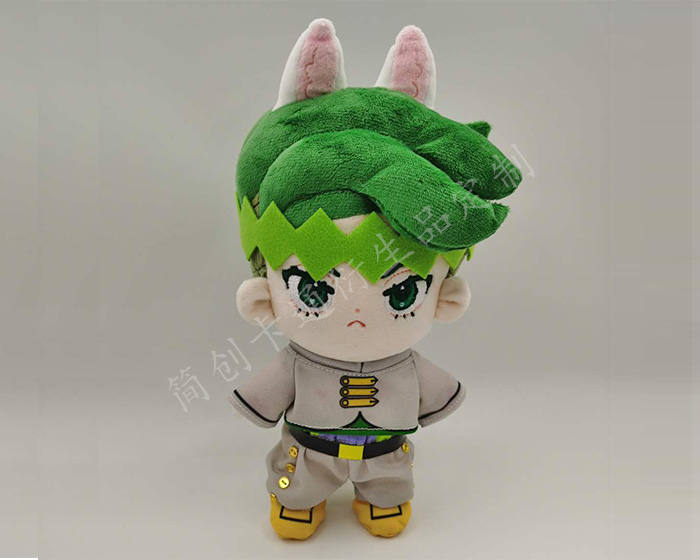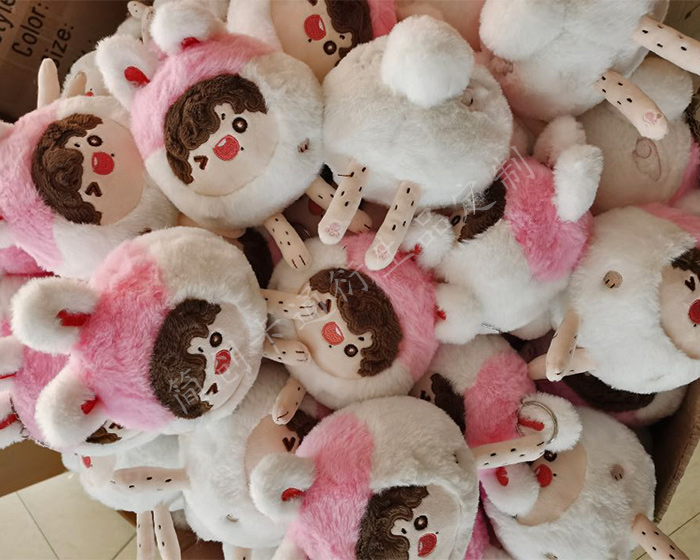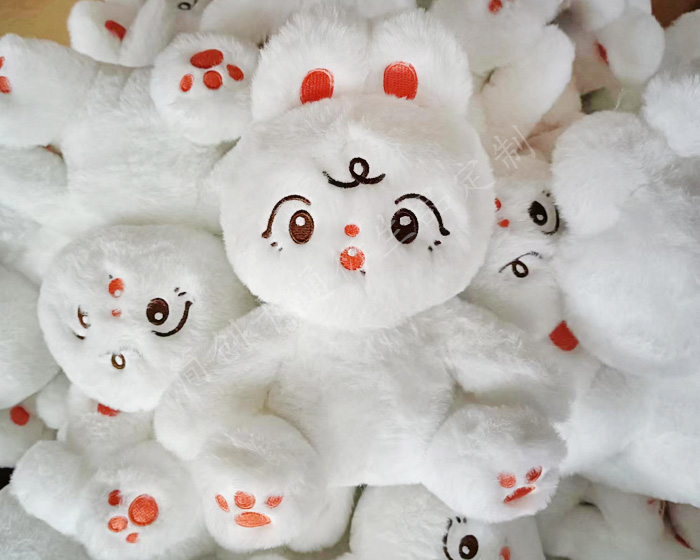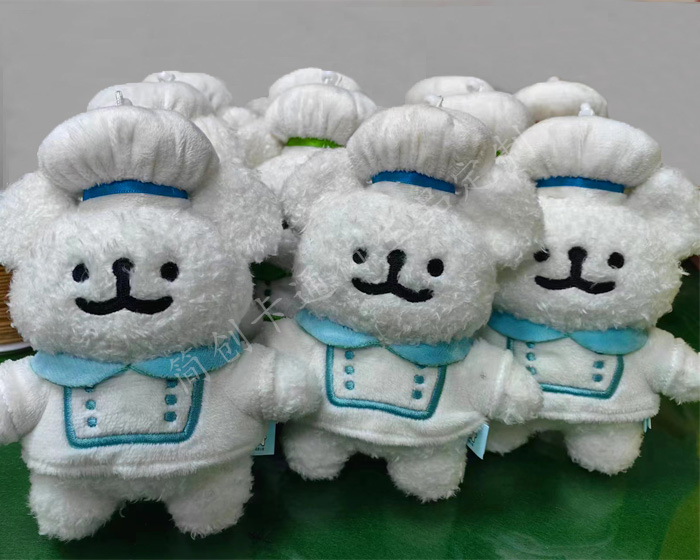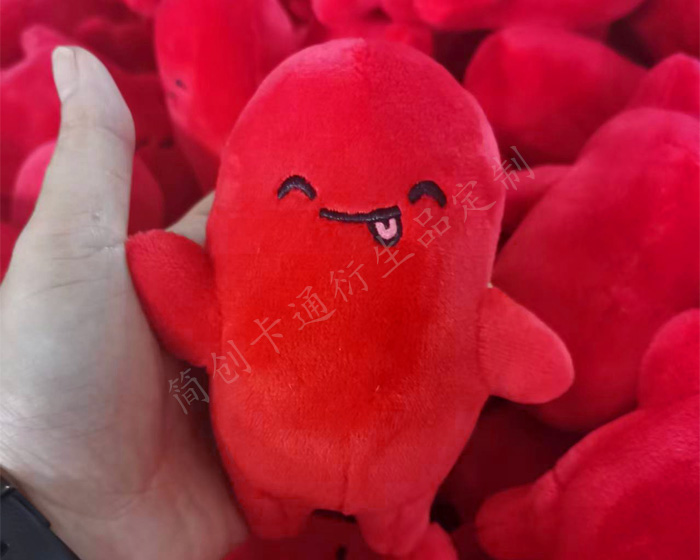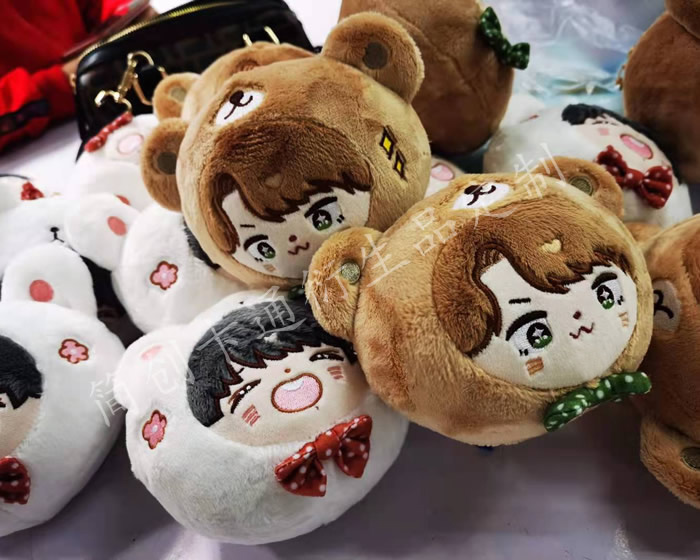


The softness, appearance and durability of a doll depend on more than its shape. Fabric selection, filling density, stitching and surface finishing all influence the final product. For brands developing soft dolls, understanding these details helps create products that meet both design expectations and production requirements.
1. Choose Fabric According to the Doll's Design
Different fabrics create different visual and tactile effects. Short-pile plush can provide a smooth, clean appearance, while longer-pile fabrics create a fluffier look. Velour and other knitted fabrics may suit character dolls that require a more defined silhouette or a specific surface texture.
When selecting materials, consider the character's colors, facial details, intended size and target market. A fabric that looks attractive in a small swatch may behave differently when cut, sewn and stuffed into a complete doll.
2. Select Filling for Shape and Feel
Polyester fiberfill, commonly referred to as PP cotton, is widely used in plush products. The amount and distribution of filling affect softness, weight, shape retention and the definition of the doll's body.
Overfilling may stretch seams or distort facial proportions, while insufficient filling can make a doll appear uneven. During sampling, evaluate the head, torso and limbs separately to establish a consistent filling standard.
3. Pay Attention to Stitching and Facial Details
Seam placement, embroidery density and small construction details contribute to the finished appearance. Character dolls often require careful control of eye spacing, mouth position, hair placement and decorative accessories.
Provide clear reference artwork and confirm important dimensions before sampling. For complex designs, front, side and back views can help the production team understand the intended shape more accurately.
4. Test the Sample Before Bulk Production
A prototype allows buyers to review material color, hand feel, proportions, seam quality and overall construction. Any changes should be recorded and approved before mass production begins.
For repeat orders, keep a confirmed reference sample and written specifications. These records help reduce variation between production batches.
5. Develop Soft Dolls for Your Brand
For a commercial project, material decisions should balance appearance, durability, cost and manufacturing feasibility. The right combination depends on the design, order quantity and intended use.
JianChuang supports custom plush development from artwork review and sample making to production coordination. Explore our custom plush doll manufacturing services to discuss your project requirements.
Planning a Custom Soft Doll Project?
Prepare your artwork, target size and material preferences to start a more efficient product discussion.
Discuss Your Project